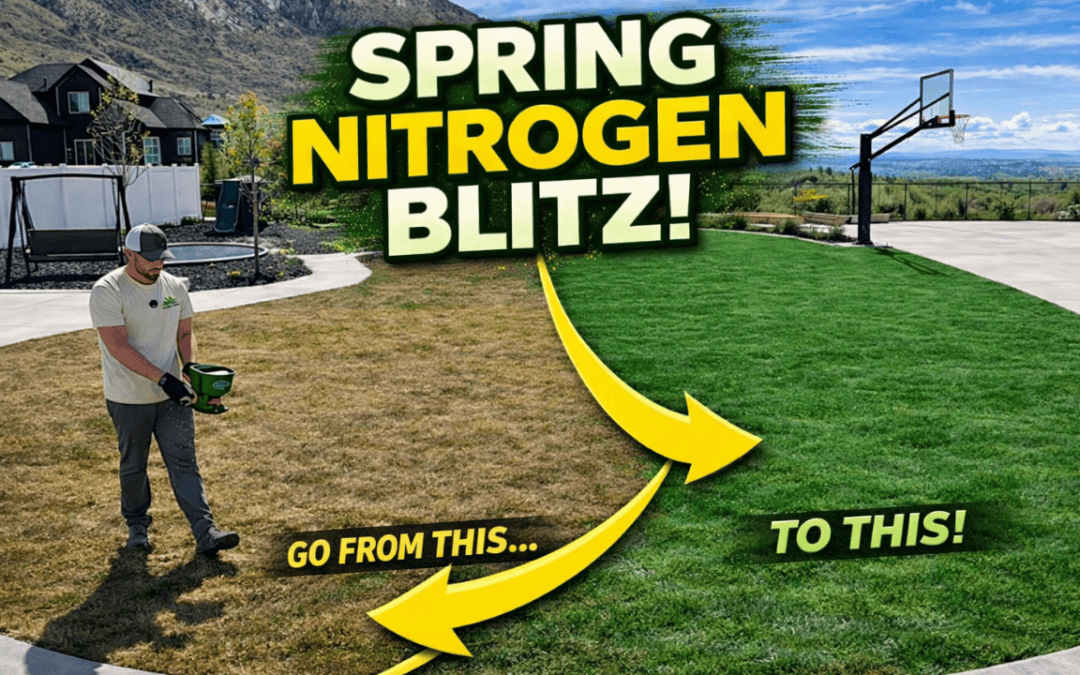
When early spring hits and temperatures start warming up, it’s time to start working on the lawn again! One of the very best ways to wake up, thicken up and green up your grass is through a spring nitrogen blitz.
The process of a Spring Nitrogen Bltiz is built around three main goals: greening up the lawn, encouraging stronger root growth, and helping the turf thicken as it heads into the growing season. Instead of dumping a heavy dose of spring fertilizer on your lawn all at once, the idea is to spoon-feed nitrogen over a few weeks using ammonium sulfate. That gives the lawn a quick boost without pushing too much top growth too fast.
Here’s how to do a spring nitrogen blitz the right way.
(If you make a purchase using the links in this post, we may earn a commission.)
What Is a Spring Nitrogen Blitz?
A spring nitrogen blitz is a short series of light nitrogen applications in early to mid spring. The goal is to wake the lawn up, improve color, and support healthy root development as the grass comes out of dormancy. It’s a version of the popular “Fall Nitrogen Blitz” with a reduced number of applications to accommodate the needs of grass in early spring.
In this case, the fertilizer used in a spring nitrogen blitz is ammonium sulfate, which provides fast-release nitrogen along with sulfur. That combination helps green the lawn quickly while also supporting nutrient uptake and root health.
The key to a successful nitrogen blitz in the spring is moderation. Spring is a time for building roots. Too much nitrogen fertilizer at once can push excess top growth and work against that goal. That’s why this spring fertilization method works best as a mini blitz with smaller weekly applications instead of one heavy feeding.
Why a Spring Nitrogen Blitz Works For Cool Season Grasses
Early spring is one of the best times to help your lawn recover from winter stress. Grass is often matted down from snow, covered in dead material, and slow to green up. A spring nitrogen blitz helps fix your lawn by:
- Waking up dormant grass
- Greening up the lawn
- Encouraging thicker turf growth
- Supporting root development in grass
- Helping the lawn prepare for summer heat
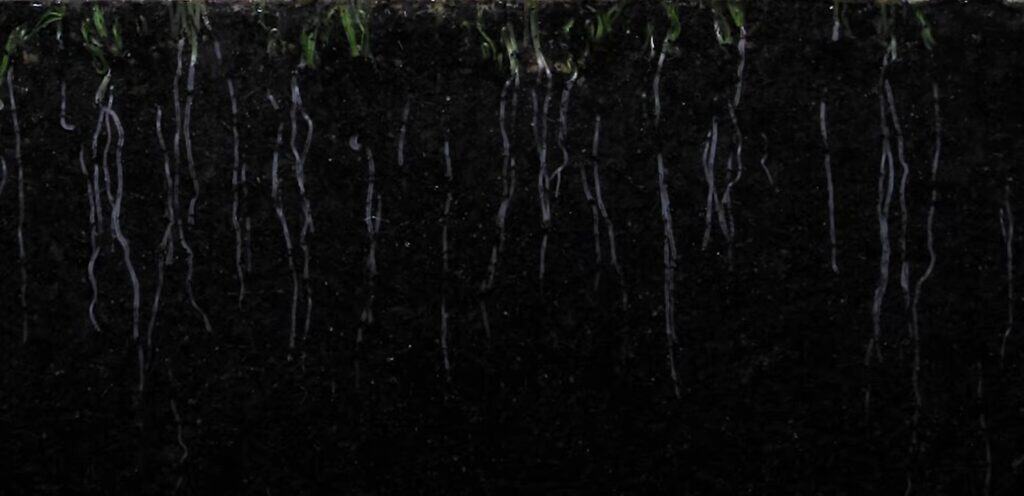
That improved early-season growth in your lawn can also make your yard look better faster while setting it up for a healthier season overall. In fact, you can go from yellow to deep green in only 3 weeks or less.
Tools You’ll Need for a Spring Nitrogen Blitz
Getting this lawn project done does require a few tools, but most homeowners will have a few of these already. Here is the full list of tools you’ll need for a spring nitrogen blitz:
- Ammonium Sulfate – https://thelawnlife.com/products/dark-matter-18-0-0-ammonium-sulfate-with-4-iron?sca_ref=9570198.tnSsFSCU50O&sca_source=youtube
- Scott’s Hand Spreader – https://amzn.to/3NoDrXw
- Dewalt Leaf Blower – https://amzn.to/40TbVV4
- Sun Joe Electric Dethatcher & Scarifier – https://amzn.to/4bVpdpd
- 100 ft Outdoor Extension Cord – https://amzn.to/4148ifq
- Contractor-Grade Trash Bags – https://amzn.to/48gPeiC
- Leaf Rake – https://amzn.to/4npip7s
- Gloves – https://amzn.to/4leHEbn
If you don’t already have a SunJoe dethatcher and scarifier, now’s the time to get one! A corded, electric dethatcher/scarifier can easily pay for itself over 1-2 uses over renting the machine each year.
How to Do a Spring Nitrogen Blitz on Your Lawn: Step-by-Step
We’ve gone over the why and tools you’ll need, so now’s the time to go over the complete guide to how to do a spring nitrogen blitz to green up your yard.
Step 1: Scalp the Lawn
The first step in a spring nitrogen blitz is to scalp the lawn by mowing it as low as possible.
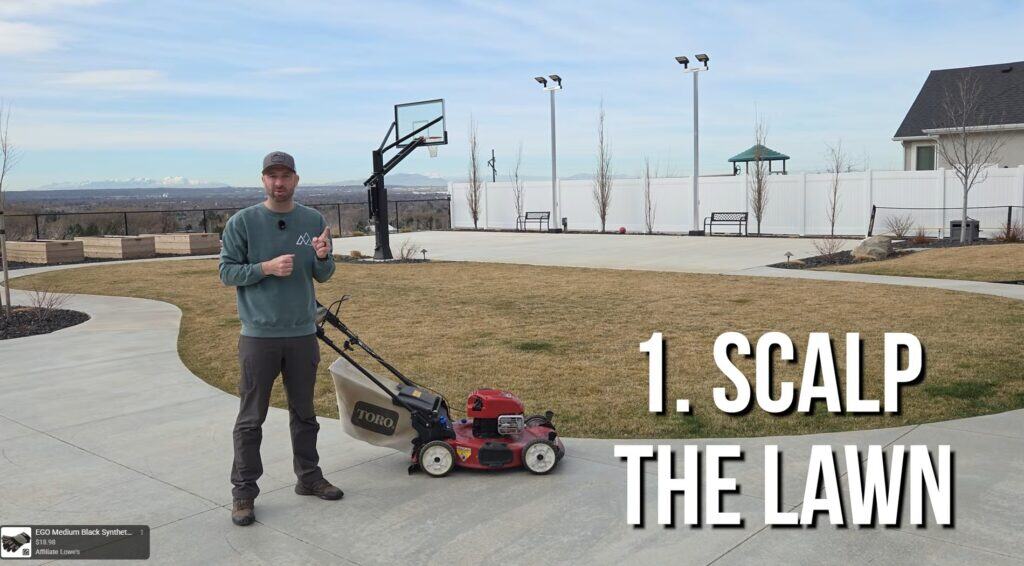
This helps remove compacted dead grass and old material that built up in the lawn over the winter. If the grass is already a little longer or greener, it’s smarter to lower the mower in stages rather than dropping it all the way down on the first pass. If the lawn is still short and dormant, you can usually take it straight down and bag the clippings as you go.
Scalping can look aggressive at first, but early spring is usually the best time to do it because winter has already left the lawn rough in spots.
Step 2: Dethatch and Scarify
Once the lawn is cut down, the next step is to dethatch and scarify the dead thatch out of the grass.
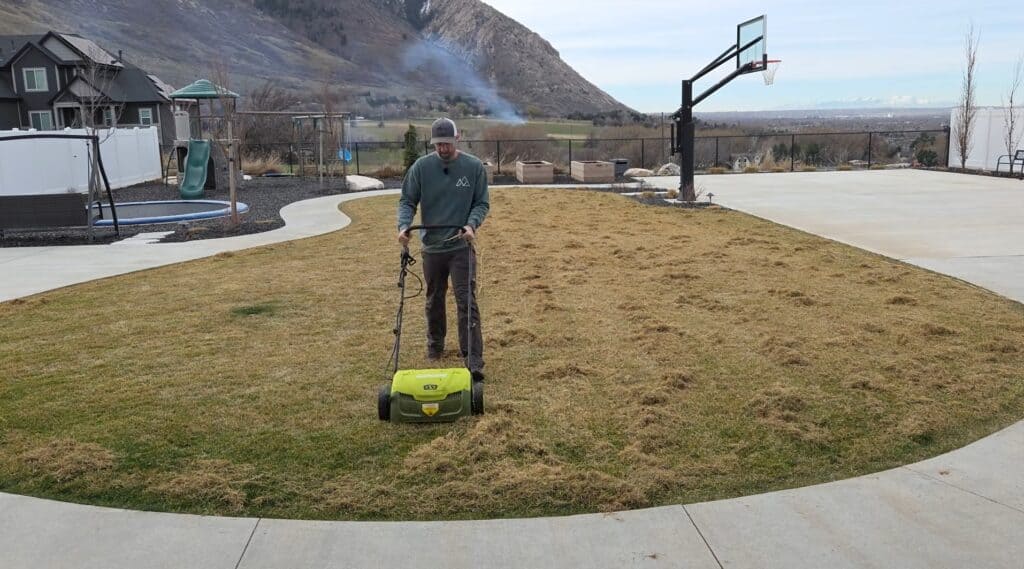
This part matters because it opens space for the lawn to breathe. It pulls out dead thatch, loosens the surface, and helps create better conditions for root growth. It also makes it easier for fertilizer and nutrients (in this case – ammonium sulfate) to reach where they need to go.
A dethatcher or scarifier can do both the dethatching and the aerating. The SunJoe dethatcher/scarifier comes with both a scarifying and dethatching attachment but for this spring lawn project, only the scarifier attachment is needed. Do a first pass going in one direction, then after raking and cleanup, do a second pass going perpendicular to the first. That second pass can pull up even more dead material than expected.
After scarifying the lawn, it’s a good idea to rake everything up and even run the mower over the lawn one more time to suck up leftover grass debris.
Step 3: Apply Ammonium Sulfate at a Light Rate
Now the lawn is ready for the actual nitrogen blitz!
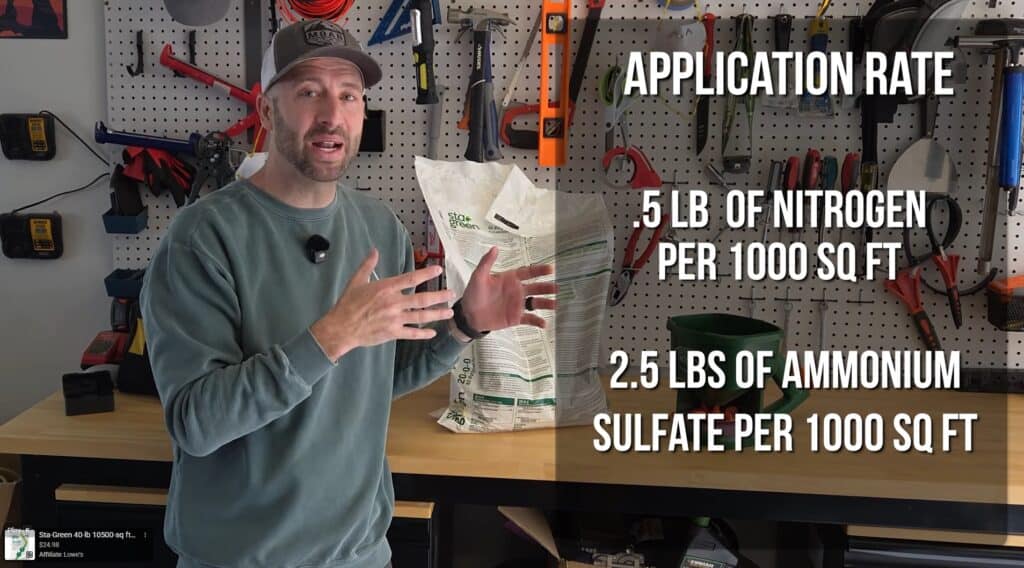
The fertilizer used here is ammonium sulfate. It gives the lawn a quick shot of nitrogen for green-up, plus sulfur to support nutrient uptake and healthy roots. The application rate for this spring fertilizer is:
- 0.5 pounds of nitrogen per 1,000 square feet
That works out to:
- 2.5 pounds of ammonium sulfate per 1,000 square feet
For a lawn just under 2,000 square feet, that comes out to about 5 pounds of product per application or exactly the size of most hand spreaders out there.
A hand spreader or push spreader both work. I prefer a hand spreader because it can offer a little more control on smaller lawns. Gloves are also a great idea at this point!
How Often to Apply The Ammonium Sulfate to the Lawn
The reason this works so well is the timing.
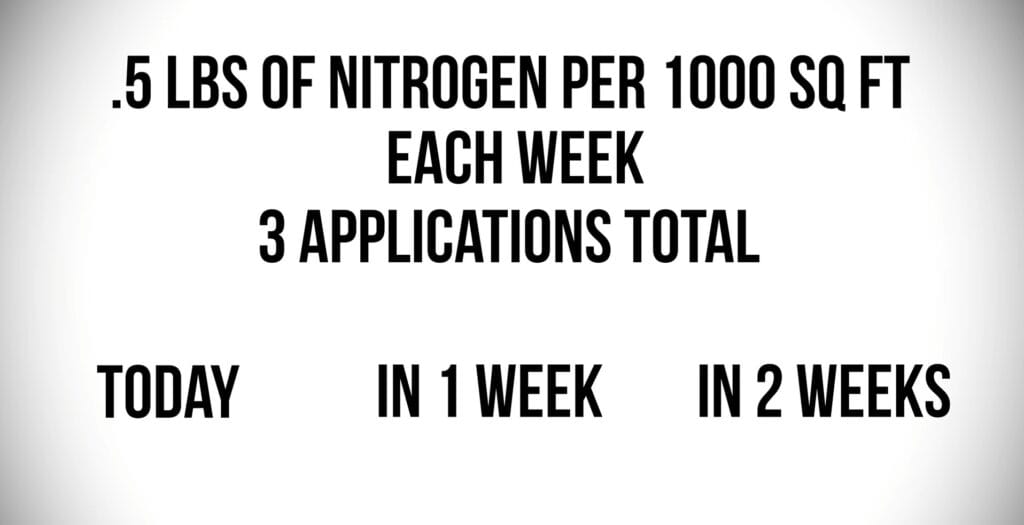
Instead of one heavy application, apply the ammonium sulfate once per week for 3 total applications:
- First application in early spring
- Second application 7 days later
- Third application 7 days after that
That gives you a 3-week spring nitrogen blitz that spoon-feeds the lawn to help it green up over a couple of weeks rather than overwhelming it with too much fertilizer.
Water the Ammonium Sulfate in After Each Lawn Application
After each spring fertilizer application, water the lawn within 12 to 24 hours.
If rain is in the forecast, that can do the job. If not, plan to irrigate after spreading the ammonium sulfate evenly across the grass. This step helps move the fertilizer into the soil and reduces the chance of product sitting on the grass too long.
It also helps to blow or sweep any ammonium sulfate fertilizer prills off the driveway or sidewalk and back into the lawn so you’re not wasting product.
What to Expect From a Spring Nitrogen Blitz After Week One
Results can start showing up within the first week, but weather still matters.
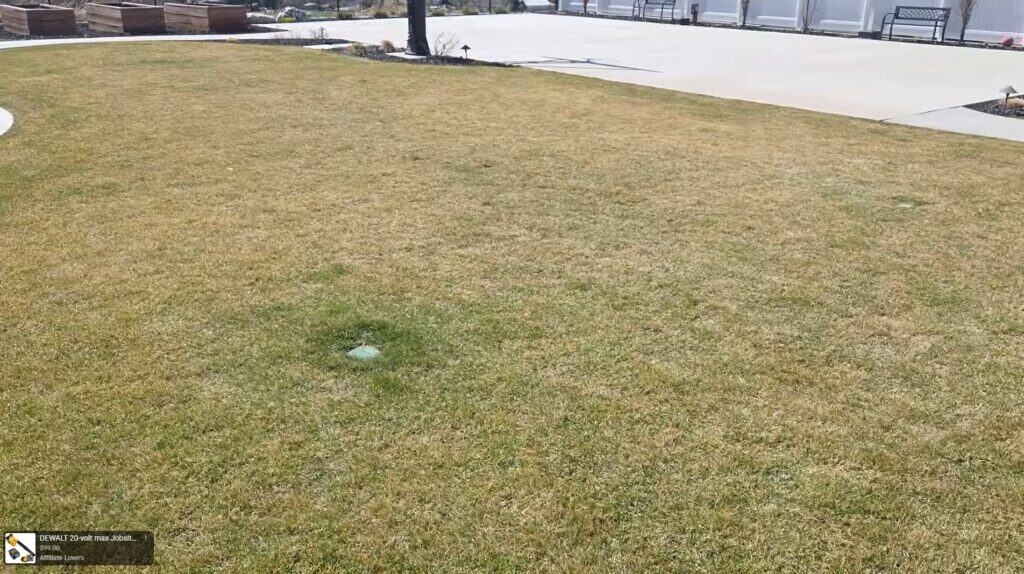
During my project, a cold front moved in right after the first application, with temperatures dropping into the 30s and 40s for several days. That slowed the green-up of the lawn. Even so, some areas of the lawn started showing color around the edges and front sections.
That’s a good reminder that early spring lawn care still depends on temperature. If the grass stays cool, progress may be slower than expected.
What the Lawn Looked Like After 3 Weeks
By the end of the 3-week spring nitrogen blitz process, the lawn looked noticeably better.
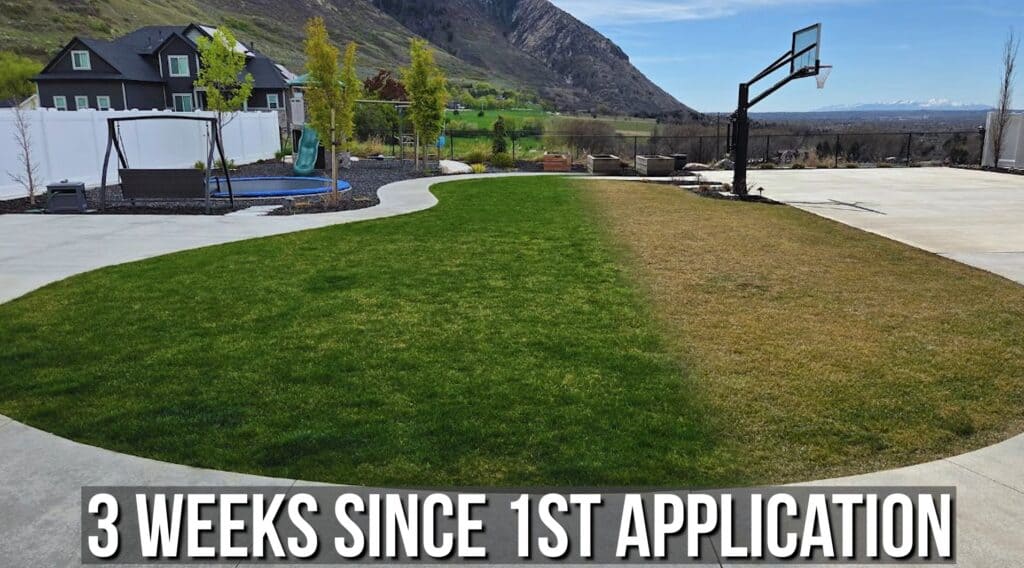
Color improved from a yellow-brown dormant look to a much greener, healthier lawn. The yard will still need more in-season care, but the overall green-up was clear and the lawn looked far better than where it started.
That’s really the value of a spring nitrogen blitz. It gives your lawn a strong start, a deep green color, and it does all of that without overdoing it.
Spring Nitrogen Blitz Tips to Keep in Mind
A few simple tips can help the process go smoother:
- Don’t overapply nitrogen, spoon-feed it instead
- Be careful around sprinkler heads and drain pop-ups when scarifiying
- Clean up the debris well after dethatching and scarifying
- Be patient with weather delays to start seeing lawn green-up results
A cold snap can slow green-up, even when the plan is solid.
Should You Do a Spring Nitrogen Blitz on Your Lawn?
A spring nitrogen blitz is a practical way to wake up your lawn after winter and get it moving in the right direction.
By scalping the lawn, removing dead thatch, opening the surface with scarifying, and then spoon-feeding ammonium sulfate fertilizer for 3 weeks, you can improve color, encourage root growth, and help the lawn look much better heading into summer.
If your grass is still pale, matted down, or slow to wake up in early spring, this is a strong process to add to your lawn care routine.
Join our Skool Community to learn how to get a thicker, greener, healthier lawn!
FAQs About a Spring Nitrogen Blitz
Ammonium sulfate is a strong option for a spring nitrogen blitz because it provides fast-release nitrogen and sulfur.
A rate of 2.5 pounds per 1,000 square feet gives you about 0.5 pounds of nitrogen per 1,000 square feet. This allows you to essentially “spoon-feed” it nitrogen every week rather than blasting it with nitrogen in a single application.
After scalping, dethatching and scarifying your lawn, you’ll apply the ammonium sulfate once a week for 3 total applications.
Yes. Water in the ammonium sulfate you just put down on your grass within 12 to 24 hours unless rain is coming soon.
You could see some greening up happening on your lawn within a week, but for the deepest, darkest green results from a spring nitrogen blitz, wait 2-3 weeks after the first application to compare.