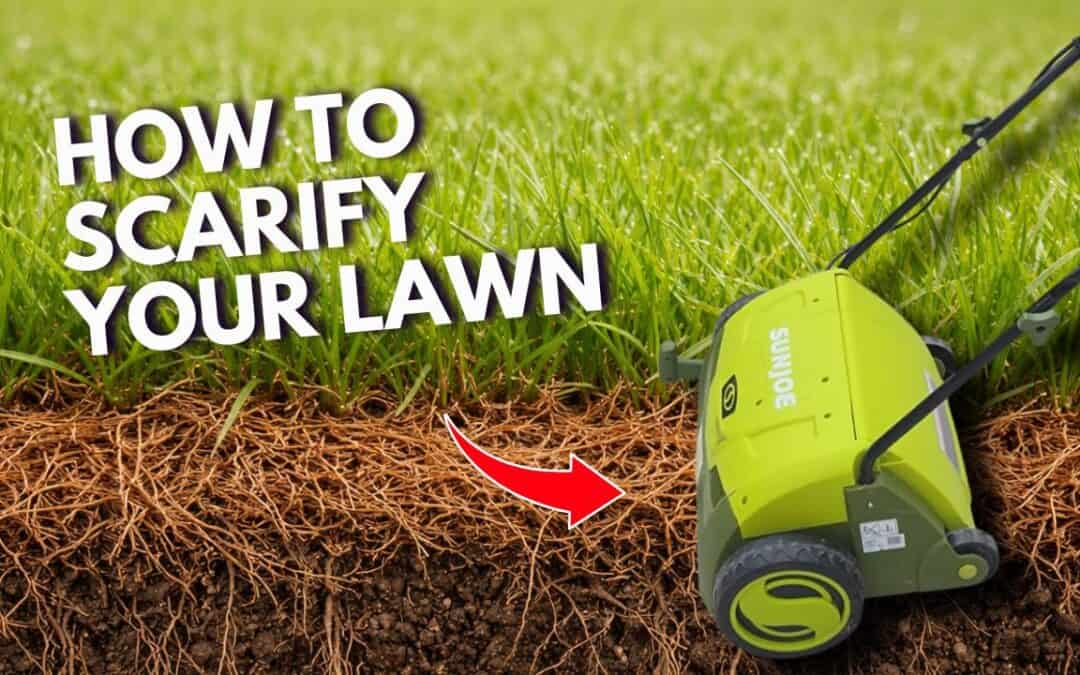
If you want to know how to scarify your lawn in the spring and get it ready for a thick, healthy growing season, read on (or watch the video below) for a complete guide to scarifying your grass.
Scarifying your lawn helps remove built-up thatch, opens up the surface of the soil, and gives your grass more room to grow. It’s one of the first things I do every spring (usually early spring), and it plays a big role in helping my lawn fill in, green up, and stay ahead of weed pressure.
Here’s how to scarify your lawn the right way.
(If you make a purchase using the links in this post, we may earn a commission.)
What Does It Mean to Scarify Your Lawn?
Scarifying your lawn means using a machine with rotating blades or tines to pull up dead grass and thatch while scratching into the soil surface.
That process does a few important things at once:
- Removes dead material that’s blocking new growth
- Opens up the lawn so water, oxygen and nutrients can move more easily (a form of aeration)
- Creates space for grass to spread and thicken
- Helps your lawn compete better against spring weeds
For lawns that deal with winter snow compaction, foot traffic, or pet traffic, scarifying can be a great reset at the start of the season to encourage healthy turf.
Why Scarify Your Lawn in Early Spring?
Early spring is one of the best times to scarify because your lawn is about to come out of dormancy and start growing fast.
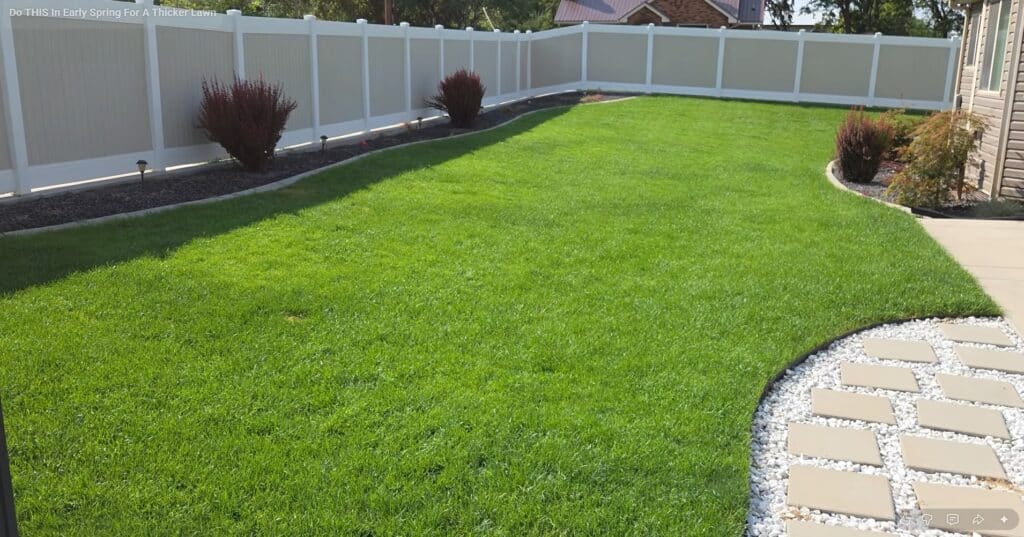
Here are a few of the main reasons to do it then:
Winter Can Leave the Lawn Compacted
If snow sits on your yard all winter, that weight can leave the lawn feeling packed down when spring arrives. If it stays wet all winter, it can also mat down, creating a thick layer that’s hard for additional water or nutrients to reach the soil level. Scarifying helps loosen things up and gives the grass a better chance to wake up and grow.
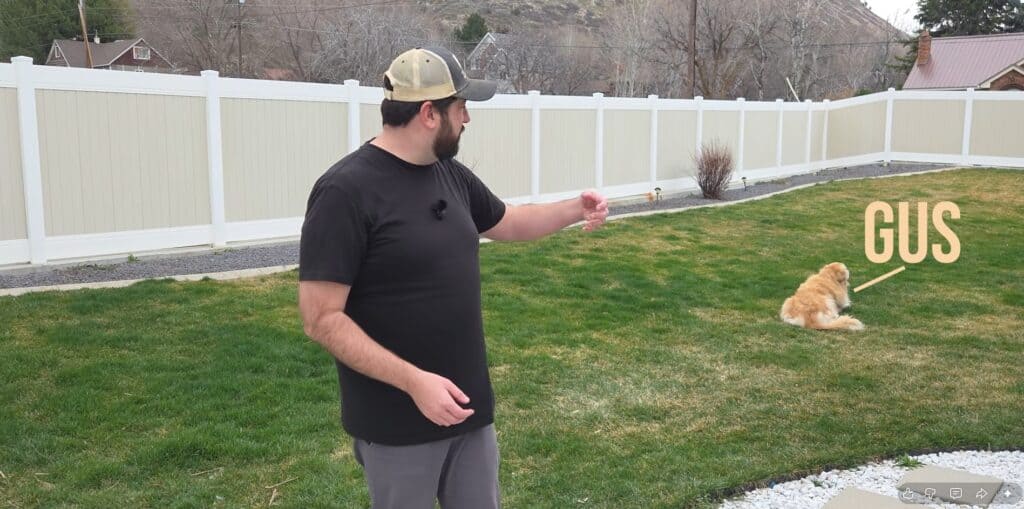
Traffic Creates Wear and Trails
Dog paths, foot traffic, and repeated movement across the same areas can make it harder for grass to thicken evenly. Scarifying helps open those areas back up.
A Thick Lawn Helps Crowd Out Weeds
Spring is when weed pressure starts building. One of the best ways to fight that naturally is by growing thicker turf. Scarifying helps create the conditions for that thicker growth before weeds start taking over.
When Is the Best Time to Scarify Your Lawn?
Generally, the two best times to scarify are:
- Early spring
- Fall
Early spring is ideal if your goal is to help the lawn green up fast and get thicker before summer. Fall is also a strong option because the grass is actively growing and can recover well. For instance, scarifying your lawn is an important step as a part of a fall overseeding.
For spring scarifying, it’s best to do it before weeds really start popping up. That gives your grass time to fill in and compete.
What Tool Should You Use to Scarify Your Grass?
A powered dethatcher/scarifier like the Sun Joe dethatcher scarifier is a simple, affordable option for homeowners.
BUY – Sun Joe AJ1798E Dethatcher and Scarifier
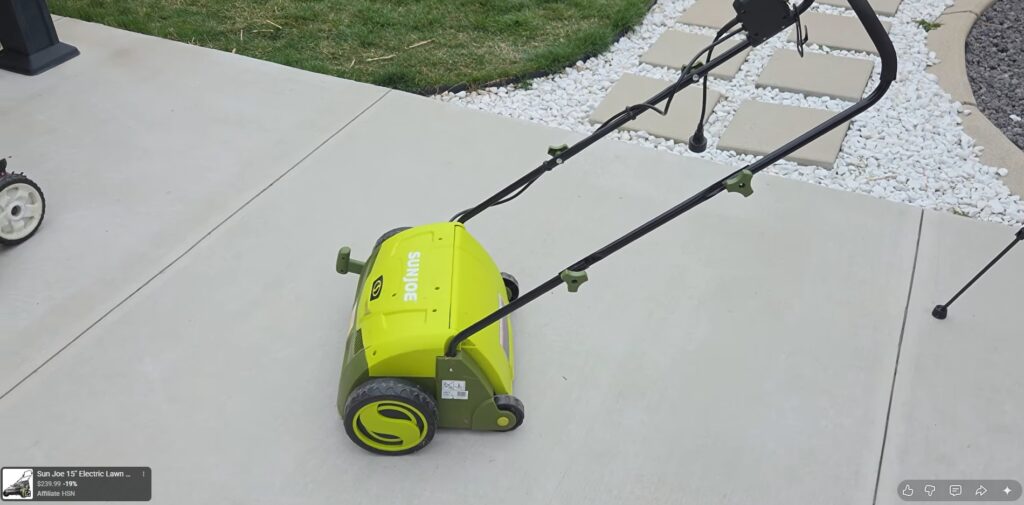
This electric, corded Sunjoe dethatcher/scarifier comes with two attachments:
- A scarifier (blade) attachment
- A dethatcher (rake) attachment
For this process, the scarifier attachment is typically the better choice.
Why? Because it doesn’t just pull up dead material. It also scratches into the surface and creates more room for the grass to spread. That makes it more useful when your goal is a thicker lawn, not just basic cleanup.
How to Scarify Your Lawn Step by Step
If you’re wondering exactly how to scarify your lawn, here’s the process.
Step 1: Mow the Lawn as Low as You Can
Before scarifying, mow the lawn down as low as possible – preferably to 1 or 1.5 inches.
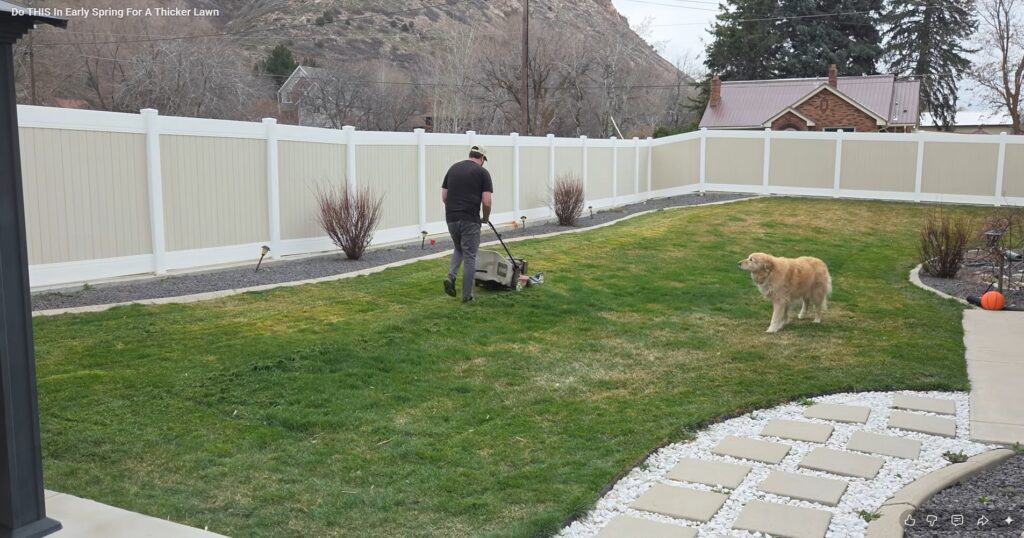
The goal here is to scalp the grass so the machine can reach the thatch layer more easily. If your lawn is still a little tall coming out of winter, you may need to lower the mower deck in stages and make more than one pass.
A side discharge chute can help during this step since mowing that low can make it harder for the mower to mulch well. Make sure to bag or rake up all of the mulched grass before moving to the next step!
Step 2: Expect the Lawn to Look Rough
Once the lawn is cut low, don’t be alarmed if it looks rough.
That’s normal.
In fact, this stage of scalping the lawn makes it easier to see how much dead material is sitting in the turf. Dormant areas and built-up thatch often stand out once the lawn is scalped down.
That’s exactly what the scarifier is about to pull out of the grass.
Step 3: Set the Scarifier and Make the First Pass
Start with the scarifier set around zero if your machine has adjustable depth settings.
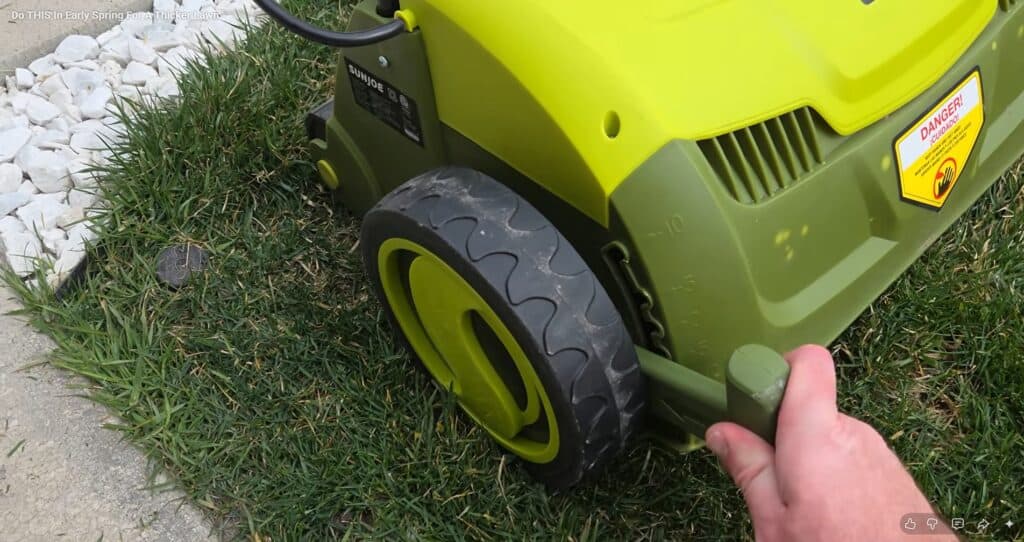
That’s a good starting point for most lawns. You can always go more aggressive on the next pass if needed.
Then begin scarifying the lawn in one direction. Be ready for a surprising amount of dead material to come up. Even a lawn that looked pretty clean can produce a lot of dead grass and thatch.
Step 4: Rake or Bag Up the Grass Debris
After the first scarifying pass, clean up everything the machine pulled out.
You can:
- Rake it up
- Bag it with the mower
- Use a leaf blower to blow it into a big pile
- Use whatever cleanup method is easiest for your yard
This step matters because leaving all that dead thatch behind can smother the lawn.
Step 5: Scarify Again in Opposite Direction
After cleaning up the dead thatch you pulled up, make another pass scarifying in the opposite direction.
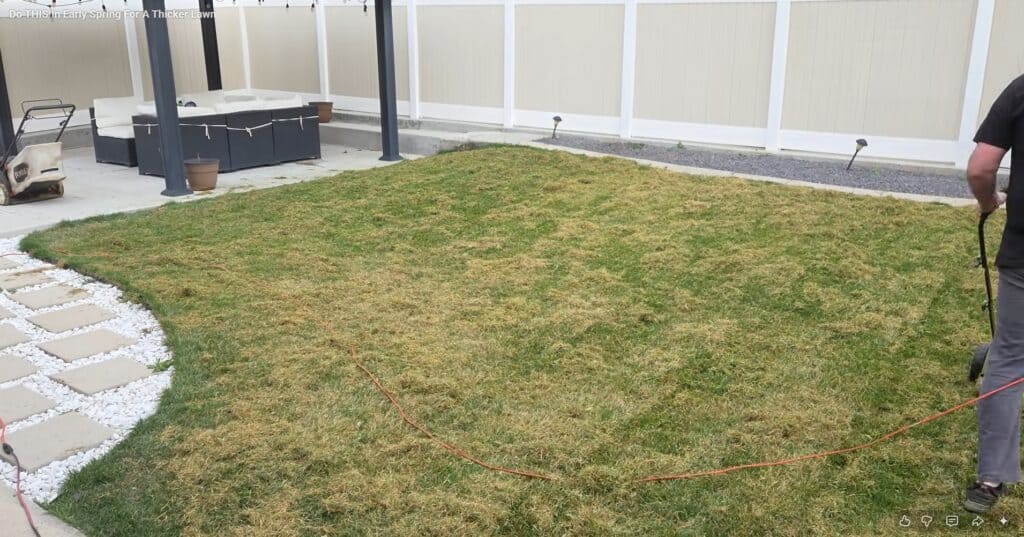
This second scarifying pass often pulls up even more material than the first one. If your lawn can handle it, you can lower the scarifier setting a bit more for added bite.
Crossing the lawn from a second angle with the scarifier helps you remove more thatch and do a more complete job.
Step 6: Clean Up the Grass Again
Once you finish the second scarifying pass, bag or rake up all the dead grass again.
You may be shocked by how much comes out of the lawn. That’s normal. Scarifying pulls out the dead grass layer that has been building up over time and clears the way for new growth.
What Should Your Lawn Look Like After Scarifying?
Right after scarifying, your lawn probably won’t look pretty.
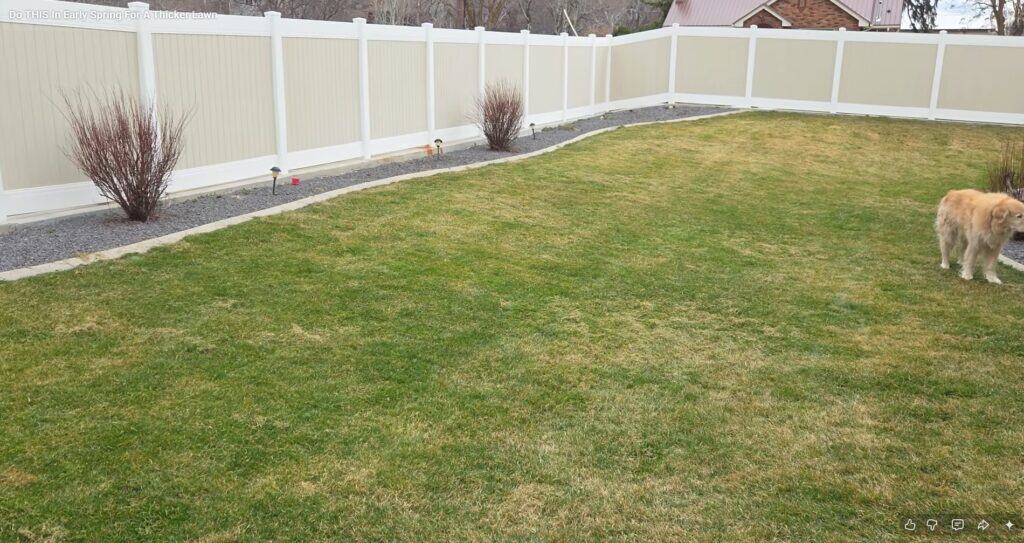
It may look torn up, thin, or beat up. You may even see marks in the soil where the machine worked through the surface and done some tilling (aeration).
That’s part of the process.
Those marks show that the lawn has been opened up and given more space to grow. Once the grass starts actively growing, that extra space helps it fill in thicker and greener than before.
In many cases, you’ll start seeing the lawn green up and improve within a week or two.
How Scarifying Helps Thicken a Lawn
One of the biggest reasons homeowners want to learn how to scarify their lawn is because they want thicker turf.
Scarifying helps with that by removing the layer of dead material that blocks the lawn from spreading and filling in. Once that layer is gone, the grass has more room to grow.
That’s especially helpful for spreading grasses like Kentucky bluegrass, which can send out rhizomes and fill in open areas.
Scarifying vs. Dethatching: What’s the Difference?
The terms “Scarifying” and “Dethatching” are often used together, but they are not exactly the same.
Dethatching focuses on pulling dead grass and debris out of the lawn.
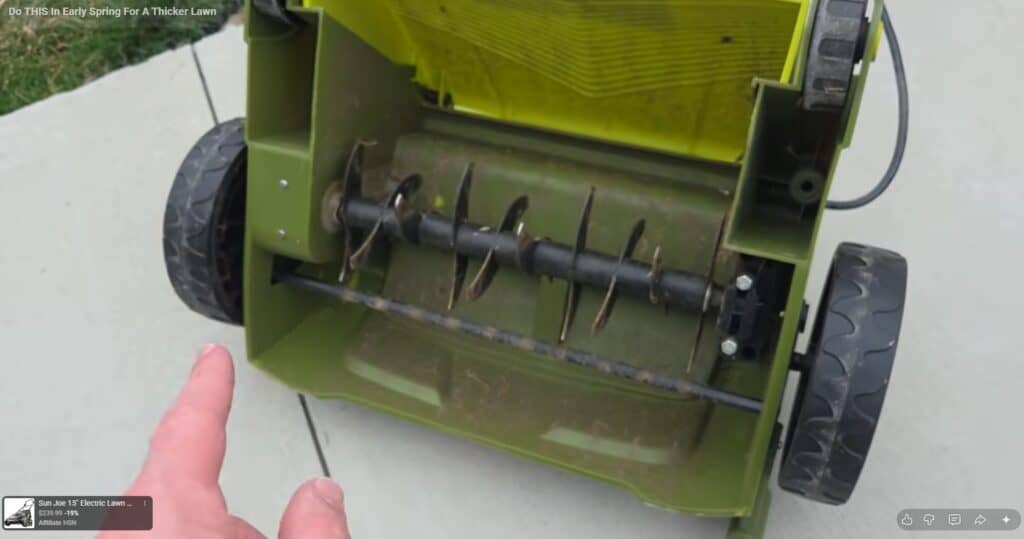
Scarifying does that too, but it also cuts into the surface more aggressively. That extra action helps aerate the lawn and create more growing space. Here is an image of the scarifier blade attachment on the Sunjoe scarifier that we used, and you can see they are hefty, longer blades (as opposed to the skinny, short tines on the dethatcher attachment).
If your goal is just light cleanup, dethatching may be enough. If your goal is to wake the lawn up in spring and encourage thicker growth, scarifying your lawn is usually the better move.
So, Should You Scarify Your Lawn?
If you want a thicker, greener lawn heading into summer, learning how to scarify your lawn is worth it.
Done at the right time, scarifying helps remove thatch, opens up the lawn, and gives your grass a better chance to grow strong before weed pressure ramps up.
The basic process is simple:
- Mow the lawn very low
- Scarify in one direction
- Clean up the debris
- Scarify again in the opposite direction
- Clean everything up again
The lawn may look rough right after, but that short-term mess often leads to better color, thicker growth, and a healthier lawn as the season gets going.