
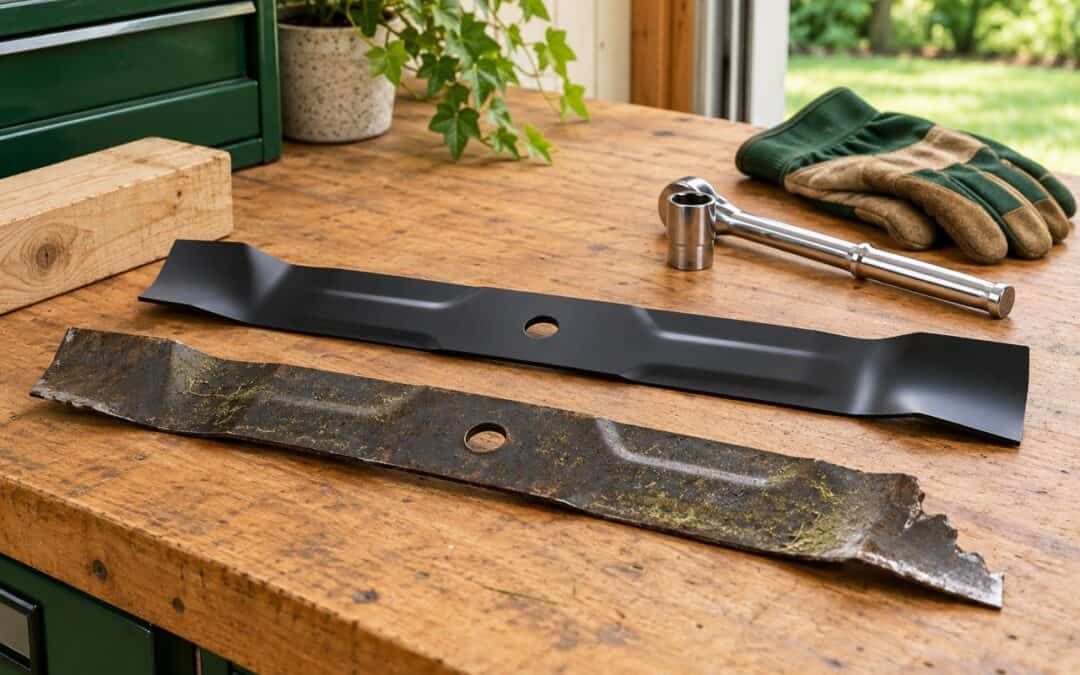
If your lawn looks a little brown across the top after mowing, take a closer look at the cut ends. Ragged, shredded tips can be a clue that your mower blade needs attention.
In my video, I show a blade with visible chips and wear, then swap it for a new one. A dull blade tears at the grass instead of leaving a clean cut, and replacing a worn blade is one maintenance job that can make a noticeable difference in how your lawn looks.
Learning how to replace a lawn mower blade starts with choosing the correct replacement, disconnecting the mower's power source, and checking the installation instructions for your model. The basic process is straightforward, but blade orientation and bolt torque matter.
This guide walks through the single-blade, walk-behind mower setup shown in the video. Use your owner's manual for the exact hardware, positioning, and torque specifications on your mower.
For a full walkthrough on how to replace a lawn mower blade rather than sharpening it, watch this!
Signs Your Lawn Mower Blade Needs Attention
Start with the grass. If the ends look frayed rather than neatly cut, inspect the blade before assuming your lawn needs more water or fertilizer. Brown tips alone don't prove the blade is the problem, but shredded tips after mowing are worth investigating. The University of Maryland Extension identifies frayed leaf tips as a sign of damage from a dull mower blade.
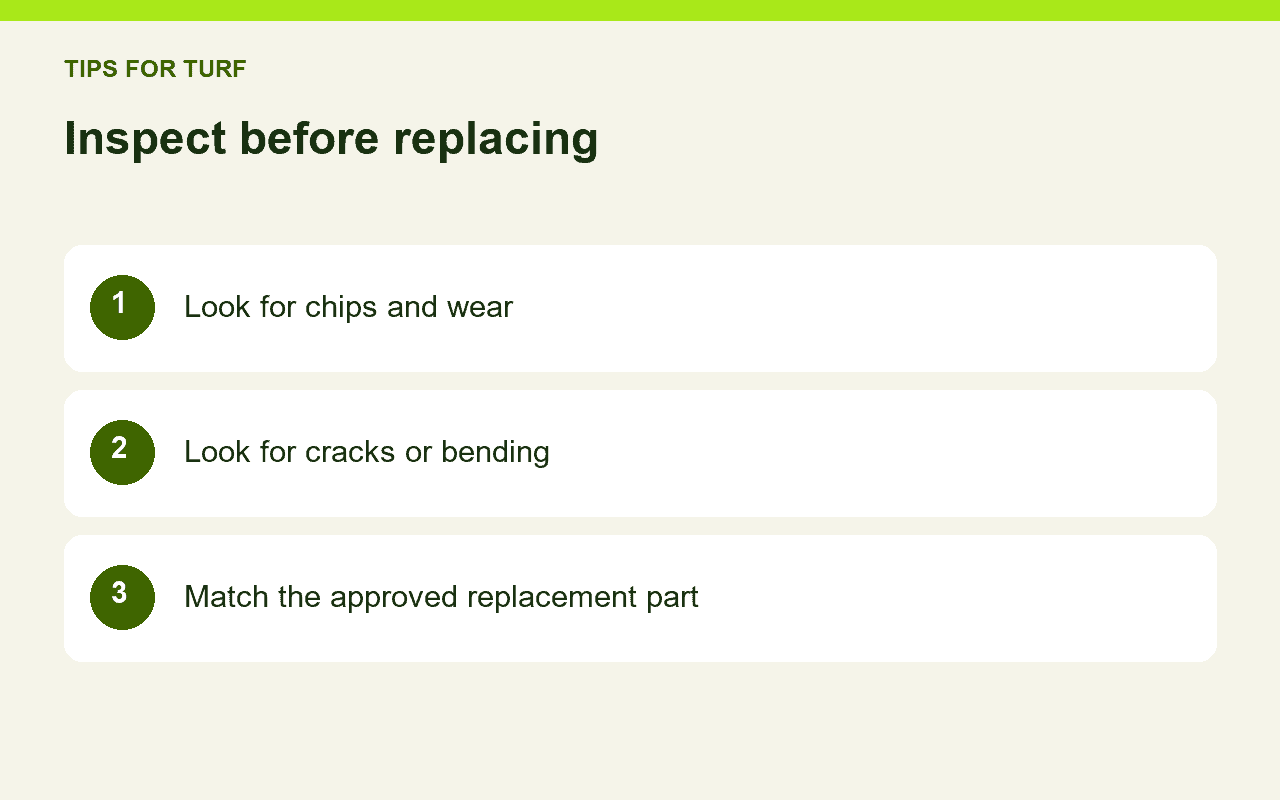
Once the mower is safely shut down and disconnected, look for a dull cutting edge, chips, bends, cracks, or excessive wear. The blade I removed had enough visible damage that I chose to replace it.
Should You Sharpen or Replace the Blade?
A dull but otherwise sound blade may be suitable for sharpening. A blade with structural damage needs replacement. Deep nicks, bending, corrosion, and metal worn thin as reasons to replace rather than sharpen.
You also don't have to sharpen it yourself. A mower service shop can assess the blade and sharpen it if appropriate. For this project, I chose a new blade because I wanted a ready-to-install replacement without doing the sharpening work. If sharpening is the right option for your blade, our guide to choosing a lawn mower blade sharpener compares several tools you can use.
Signs Your Lawn Mower Blade Needs Attention
Start with the grass. If the ends look frayed rather than neatly cut, inspect the blade before assuming your lawn needs more water or fertilizer. Brown tips alone don't prove the blade is the problem, but shredded tips after mowing are worth investigating.
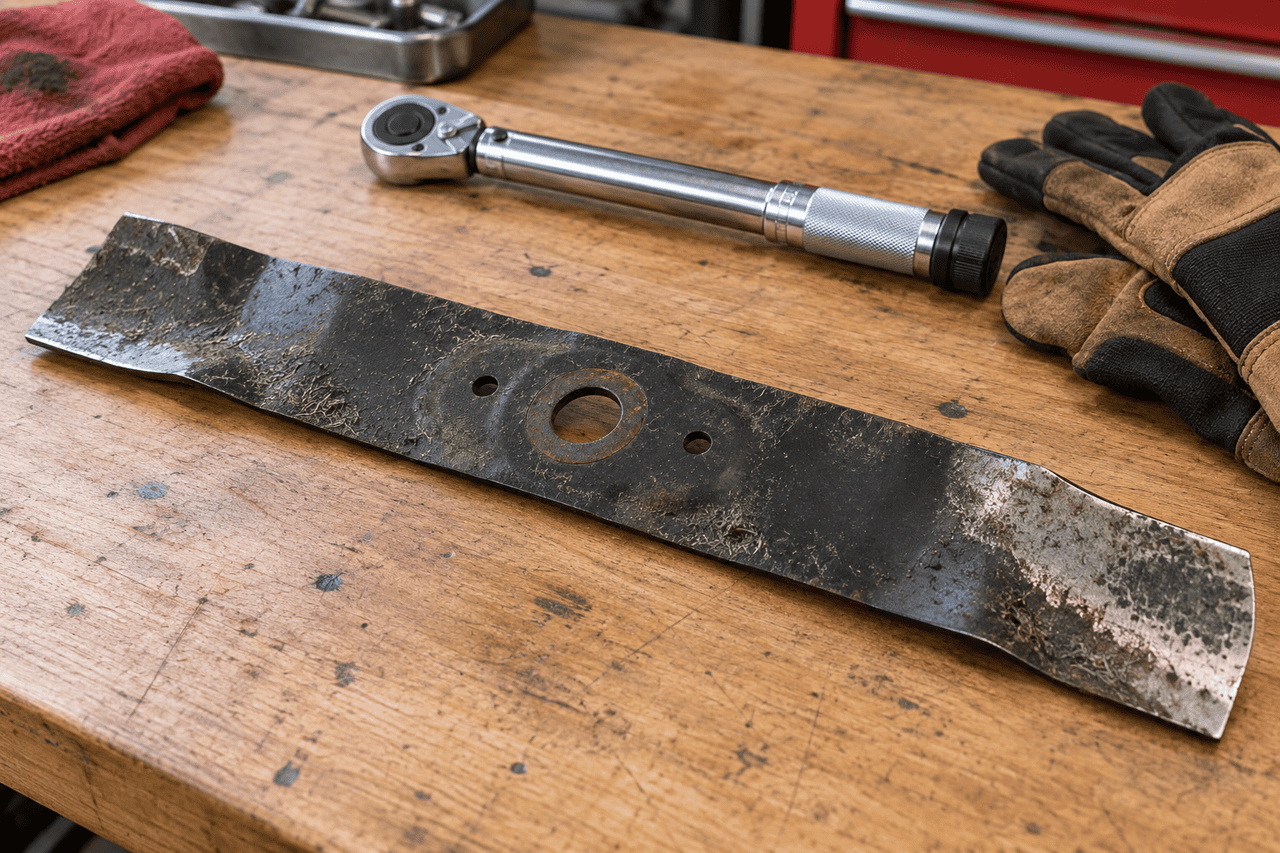
Once the mower is safely shut down and disconnected, look for a dull cutting edge, chips, bends, cracks, or excessive wear. The blade I removed had enough visible damage that I chose to replace it.
Should You Sharpen or Replace the Blade?
A dull but otherwise sound blade may be suitable for sharpening. A blade with structural damage needs replacement. Honda identifies deep nicks, bending, corrosion, and metal worn thin as reasons to replace rather than sharpen.[1]
You also don't have to sharpen it yourself. A mower service shop can assess the blade and sharpen it if appropriate. For this project, I chose a new blade because I wanted a ready-to-install replacement without doing the sharpening work.
Do You Need a New Mower Blade Every Year?
Make blade maintenance part of your seasonal routine, but don't assume every mower needs a brand-new blade each year.
Toro recommends sharpening or replacing the blade yearly for normal residential use.[2] Whether yours needs replacement depends on its condition and your mower's maintenance schedule. Inspect it during the season too, especially after striking an object.
The goal is to mow with a sharp, undamaged blade, whether that means sharpening a serviceable one or installing a replacement.
What You'll Need
Gather these items before starting:
- A replacement blade approved for your mower model.
- The correct socket and ratchet or wrench.
- A torque wrench suitable for the specified tightening torque.
- A sturdy block of wood or the manufacturer's blade-holding tool.
- Work gloves and your owner's manual.
I used a 16 mm socket in the video. Check your own mower rather than assuming that size will fit.
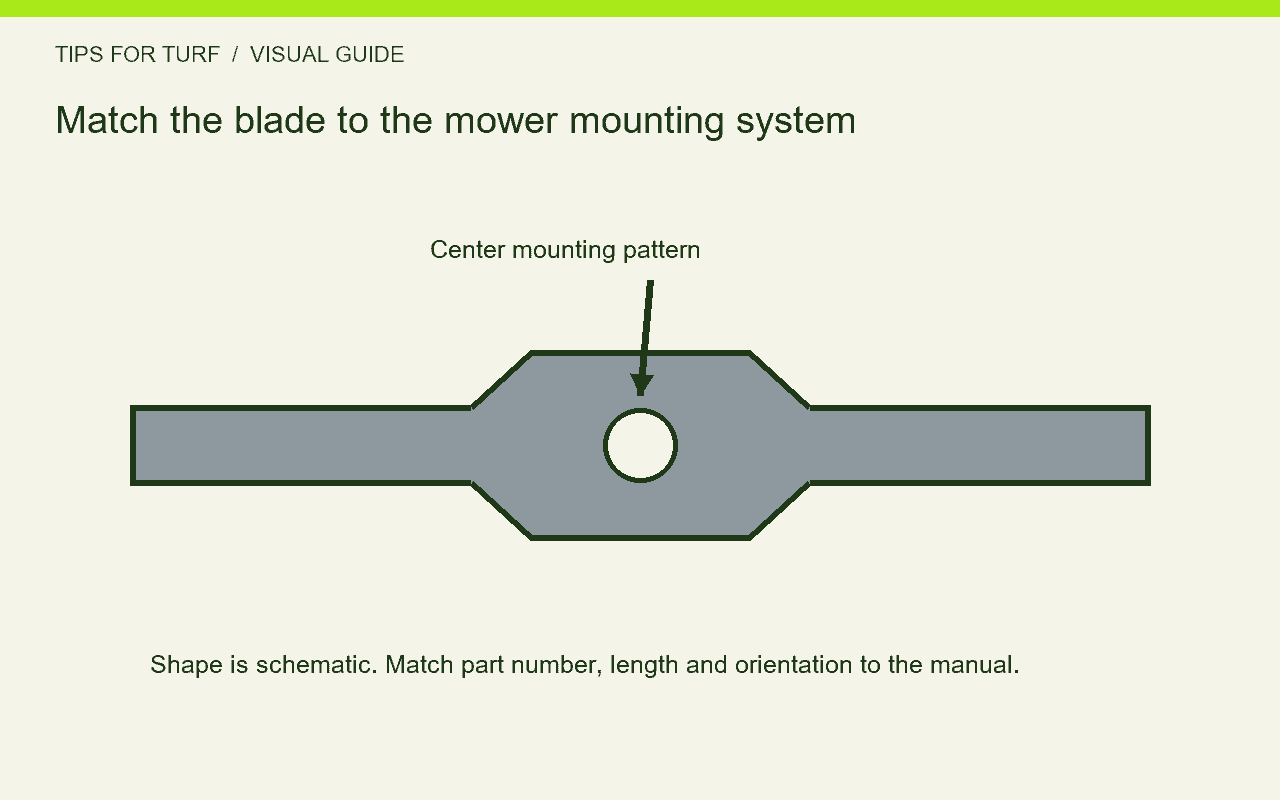
Match the replacement by mower model and approved part number. Blade length alone doesn't establish compatibility; the mounting design and blade configuration matter too. Some mowers use multiple blades or additional mounting components.
Different Mower Replacement Blades to Choose From
Here are some mower blade links for the Toro, Craftsman, Troy-Bilt, Husqvarna, and EGO blade suggestions. Confirm the exact replacement part against your mower model before ordering.
- Toro Lawn Mower Blades
- Craftsman Lawn Mower Blades
- Troy Bilt Lawn Mower Blades
- Husqvarna Lawn Mower Blades
- EGO Lawn Mower Blades
(If you make a purchase using the links in this post, we may earn a commission.)
How to Replace a Lawn Mower Blade
1. Shut Down and Disconnect the Mower
Turn the mower off, wait for all moving parts to stop, and let it cool. Remove the key or start device if equipped.
Before reaching underneath, isolate its power source: disconnect and secure the spark-plug wire on a gas mower, remove the battery on a removable-battery mower, or unplug a corded mower. Follow any additional shutdown instructions in your manual. Wear gloves when handling the blade.
2. Position the Mower for Access
Follow the manual's instructions for accessing the underside. For a gas mower, the correct tipping direction and fuel preparation matter because fluids can spill or reach components they shouldn't.
Set the mower securely before working. If you can't safely position it, have a service shop handle the replacement.
3. Record the Blade and Hardware Arrangement
Before removing anything, take a photo of the blade, bolt, washers, and any other mounting parts.
In the video, I pay attention to the old blade's position so I can install the new one correctly. Use that photo as a reference, then confirm the orientation against the manual and markings on the replacement blade.
Keep the removed hardware together and in order. Reuse it only if the manufacturer allows it and it's undamaged.
4. Hold the Blade and Remove the Bolt
A blade can turn while you're trying to loosen its mounting bolt. On the mower shown, I use a block of wood to hold it steady while working with the socket wrench.
Use the holding method specified for your mower. Check the bolt's loosening direction in the manual, then remove the fastener and blade carefully. Save the mounting parts and note their order. Toro illustrates the wood-block method in its blade-replacement instructions; check your model's manual for the applicable procedure.
5. Install the New Blade in the Correct Direction
Position the replacement on its mounting points and reinstall the specified hardware in the correct order. Follow any “grass side” or similar markings and the diagram for your model.
Don't rely on appearance alone. Installing the blade upside down can leave you with poor cutting performance even though the blade is new.
Start the bolt by hand so it threads smoothly. If it binds or doesn't seat correctly, stop and check the assembly instead of forcing it.
6. Tighten to the Specified Torque
Hold the blade as directed and use a torque wrench to tighten the fastener to your mower's specification. There isn't one universal torque value for all mower blades.
In the video, you see me snug the assembly with a wrench. For installation at home, finish by checking the specified torque rather than judging tightness by feel. Honda's blade-bolt guidance calls for accurate torque and recommends dealer service when you don't have the necessary tool.
7. Return the Mower Upright and Check Your Work
Remove the wood block and tools, return the mower to its operating position, and complete the manual's final checks before reconnecting power.
Once it's ready, try a small test area. Stop immediately if you notice unusual vibration or noise, and have the mower checked before continuing.
Check the Grass After Your Next Mow
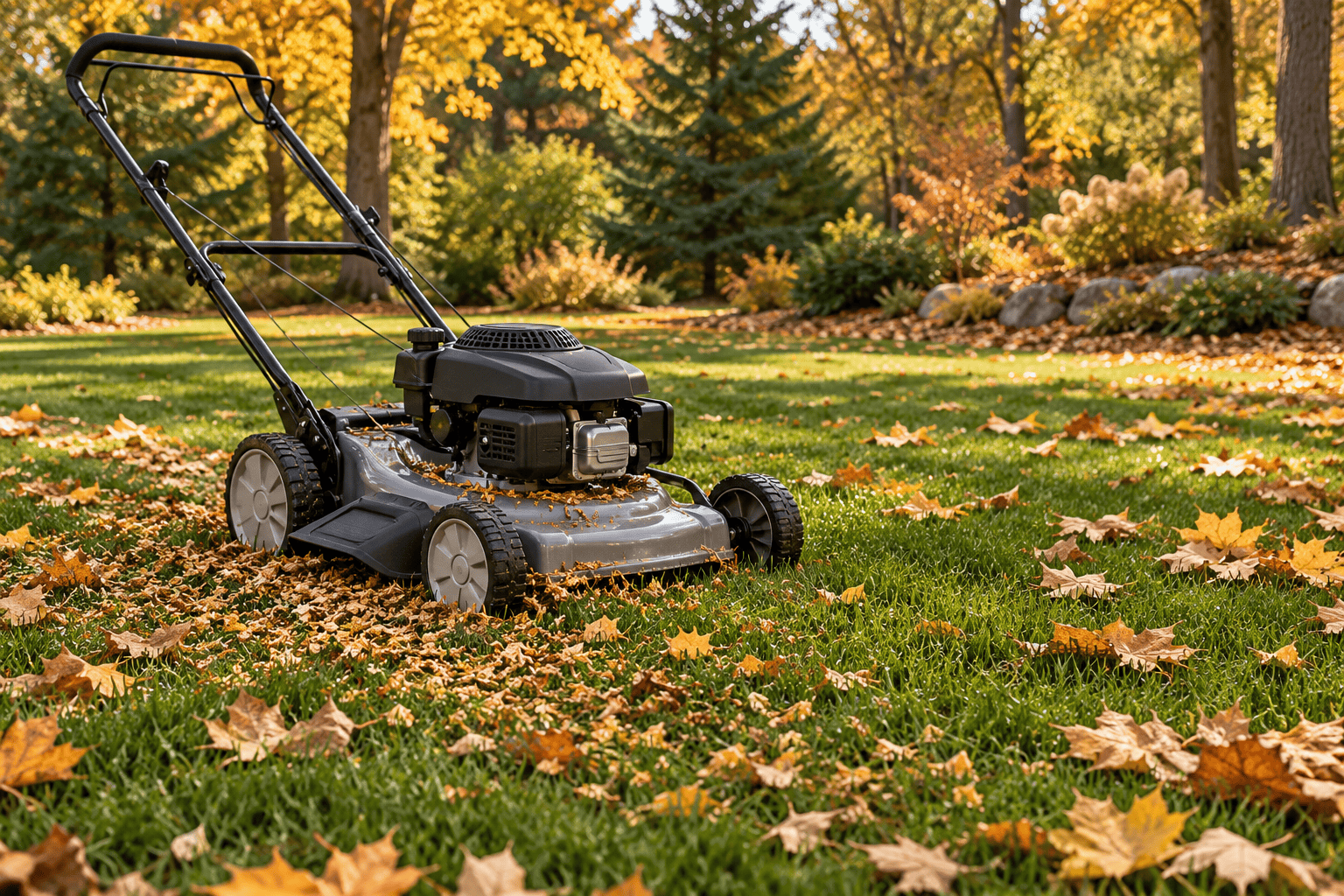
Look at the cut ends after mowing with the replacement blade. You're looking for a cleaner edge with less shredding. Existing brown tips won't turn green again just because you've changed the blade, so assess the fresh cut as the lawn grows.
Blade maintenance is easy to overlook when you're focused on watering, fertilizer, and getting the right mowing height. But every mowing session puts that edge against your grass. Keeping it sharp and in good condition helps your other lawn-care work show through. Once your mower is cutting cleanly, our guide to striping your lawn without a striping kit shows another way to improve the finished look.
Watch the Tips for Turf blade-replacement video to see the swap demonstrated, and follow Tips for Turf for more practical ways to care for your lawn.
Get help with your next lawn project
For lawn care guides, seasonal advice, product recommendations, and feedback from Matt, Greg, and other lawn enthusiasts, join the Tips for Turf community. We can compare notes on your grass, your conditions, and the next practical step.
Frequently asked questions
Do we have to replace the blade every year?
We inspect it regularly and replace it according to its condition and the manufacturer’s limits. Annual replacement was my preference in this project, not a requirement for every blade.
Can we sharpen the blade instead?
A sound blade may be sharpened and balanced correctly. We replace blades with damage that the manufacturer considers beyond service limits.
Is a 16 mm socket right for every mower?
No. That was the fastener in my demonstration. Check your mower’s actual hardware and manual.
How tight should we make the blade bolt?
We use the torque specified for the exact mower model and fastener. There is no single value that applies to every mower.