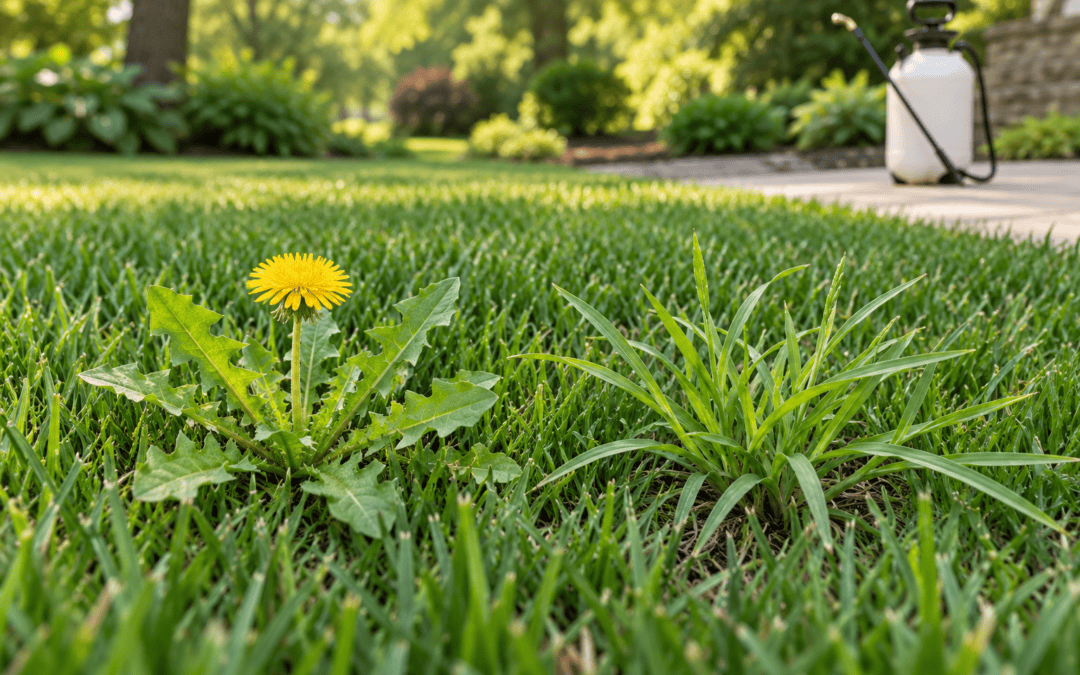
I was a couple of weeks away from my fall overseeding project when weeds started taking over the lawn. They were growing above the grass, spreading through my backyard plots, and even creeping onto the concrete.
Putting new seed into that mess didn't make much sense. Before I worked on thicker grass, I wanted to deal with the weeds already competing for space.
If you're wondering how to kill weeds before overseeding, start by identifying the weeds and choosing a treatment compatible with your grass and seeding schedule. In my project, I used SpeedZone and quinclorac, then checked the lawn three days later. The early results were encouraging, but getting the timing right matters just as much as choosing a weed killer.
Here's what I did and what to check before treating your own lawn.
For a full walkthrough on how to kill weeds before a fall overseed, watch this!
Should You Kill Weeds Before Overseeding?
If weeds are taking over the areas you want to seed, addressing them first can give your new grass a better start. Established weeds are already occupying space that you're trying to fill with desirable turf.
In my yard, this was more than a stray weed here or there. The weeds had spread throughout the lawn, including areas where I'd been growing Dark 30 perennial ryegrass, turf-type tall fescue, and Kentucky bluegrass.
That doesn't mean every overseeding project needs a herbicide treatment. A few weeds may be manageable by hand. The goal is to reduce competition without creating a treatment schedule that interferes with your grass seed.
If you're planning the entire renovation, our complete fall overseeding guide walks through the preparation and seeding work that follows.
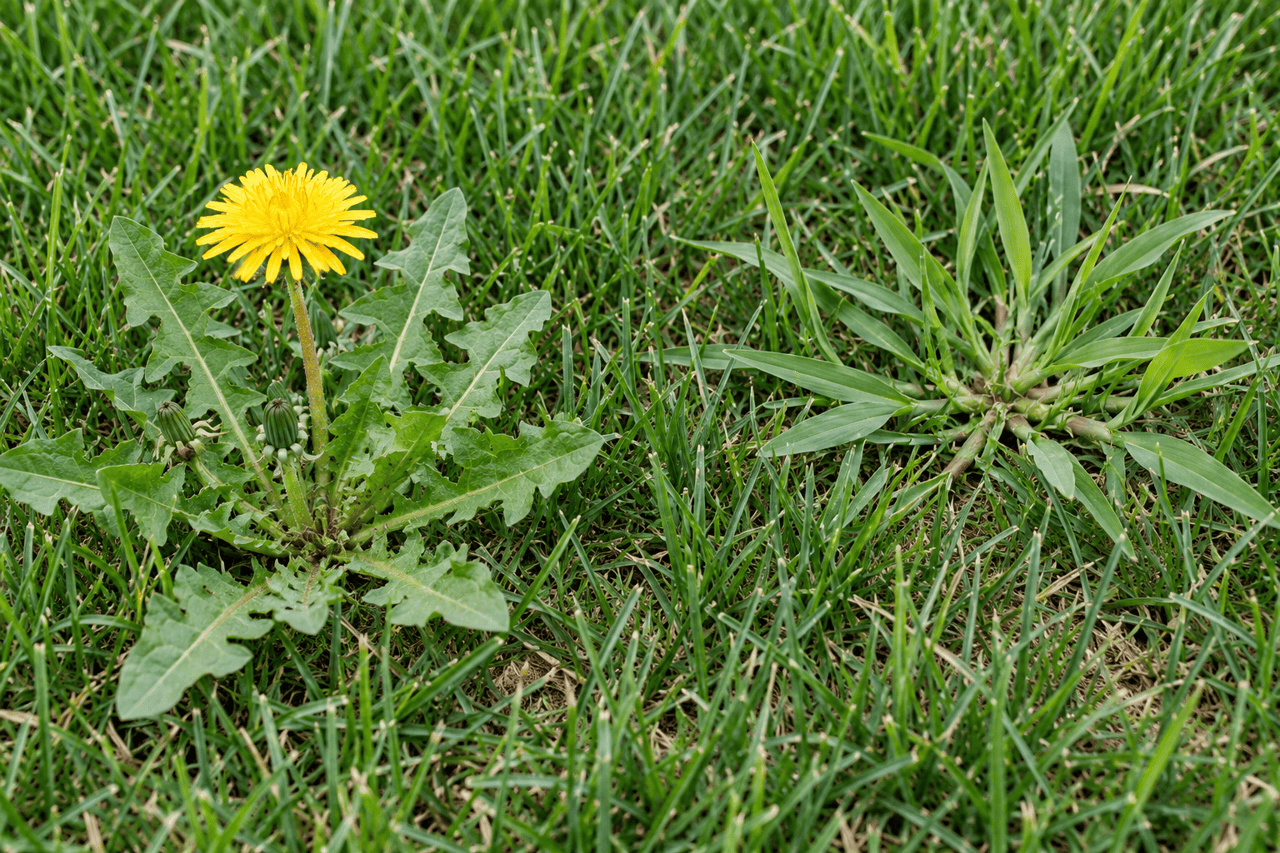
Identify the Weeds Before Choosing a Weed Killer
The first question isn't which bottle to buy. It's what you're trying to control.
Broadleaf weeds and grassy weeds can require different treatments. Crabgrass was one of the weeds I wanted to target, which is why quinclorac was part of my plan.
The University of Maryland Extension recommends identifying weeds before selecting a herbicide so you can match the treatment to the weed and its growth stage.
Also identify your desirable grass. A product that can be used on one turf species may injure another. That matters even more if your lawn contains a mixture of grasses or patches of recent seedlings.
Why I Used SpeedZone and Quinclorac
For this project, I selected two herbicides to address the different weeds growing in my lawn.
SpeedZone was my choice for broadleaf weed control. Quinclorac was included because I had crabgrass to address. Penn State Extension describes quinclorac as a postemergence option for crabgrass and certain other weeds, with seeding restrictions that depend on the turf species and product label.
I'd used Tenacity or a similar product in the past and hadn't been as happy with my results, so I wanted to try a different approach. That's my experience in this yard, rather than proof that one product is always better than another.
Product names alone aren't enough to copy the application. Check the exact formulation and label on each container. Only combine products when both labels allow the intended use and the mixture is compatible; using two products in my video doesn't establish that every SpeedZone and quinclorac formulation can be mixed together.
Does “Selective” Mean It Won't Hurt Your Grass?
A selective herbicide targets certain plants while allowing use on specified turfgrasses under the labeled conditions. It doesn't mean the product is harmless to every lawn.
In my follow-up, the established grass appeared largely unaffected while the weeds were yellowing and browning. Your results can differ with the grass species, product, rate, growing conditions, and application technique.
How Long Should You Wait to Overseed After Spraying?
Work backward from your intended seeding date before you spray.
In the video, I discuss handling weeds roughly two to three weeks before my fall overseed. Treat that as the project timeline I was aiming for, not a blanket waiting period for all weed killers.
Read the reseeding instructions on the exact products you're using. If more than one product is applied, your plan needs to satisfy every applicable restriction. A second application may also change the earliest date you can seed.
Write down four things before starting:
- The exact product names and formulations.
- The application date and treated area.
- The label's waiting period for the grass you plan to seed.
- The earliest seeding date allowed by all treatments.
Don't assume that weeds turning brown means the lawn is ready for seed. Visible weed injury and the required reseeding interval are separate things.
What to Check Before Applying Herbicide
I treated my lawn in the morning to avoid the hottest part of the day. Morning can be convenient, but the clock alone doesn't tell you whether conditions are suitable.
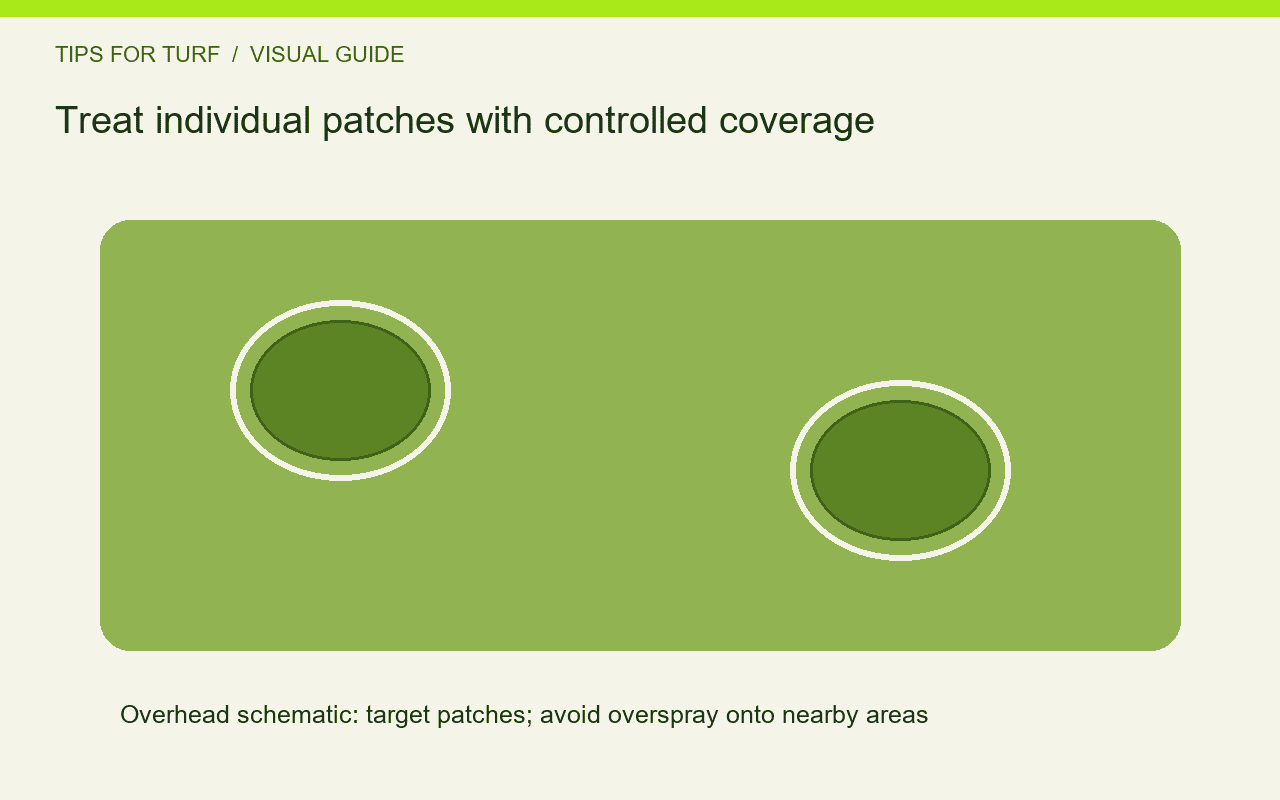
Check the label's temperature, wind, rainfall, mowing, and watering requirements. Avoid treating a stressed lawn or allowing spray to drift onto nearby plants.
Gather the measuring equipment, dedicated sprayer, and protective equipment specified by the labels. Use the required chemical-resistant gloves and protective clothing, plus eye or respiratory protection when specified. An ordinary face covering isn't a substitute for a required respirator.
Measure the treatment area and calibrate your sprayer before calculating product amounts. Follow the mixing and agitation directions rather than copying a dilution from a different formulation. Keep people and pets away for the label-specified period.
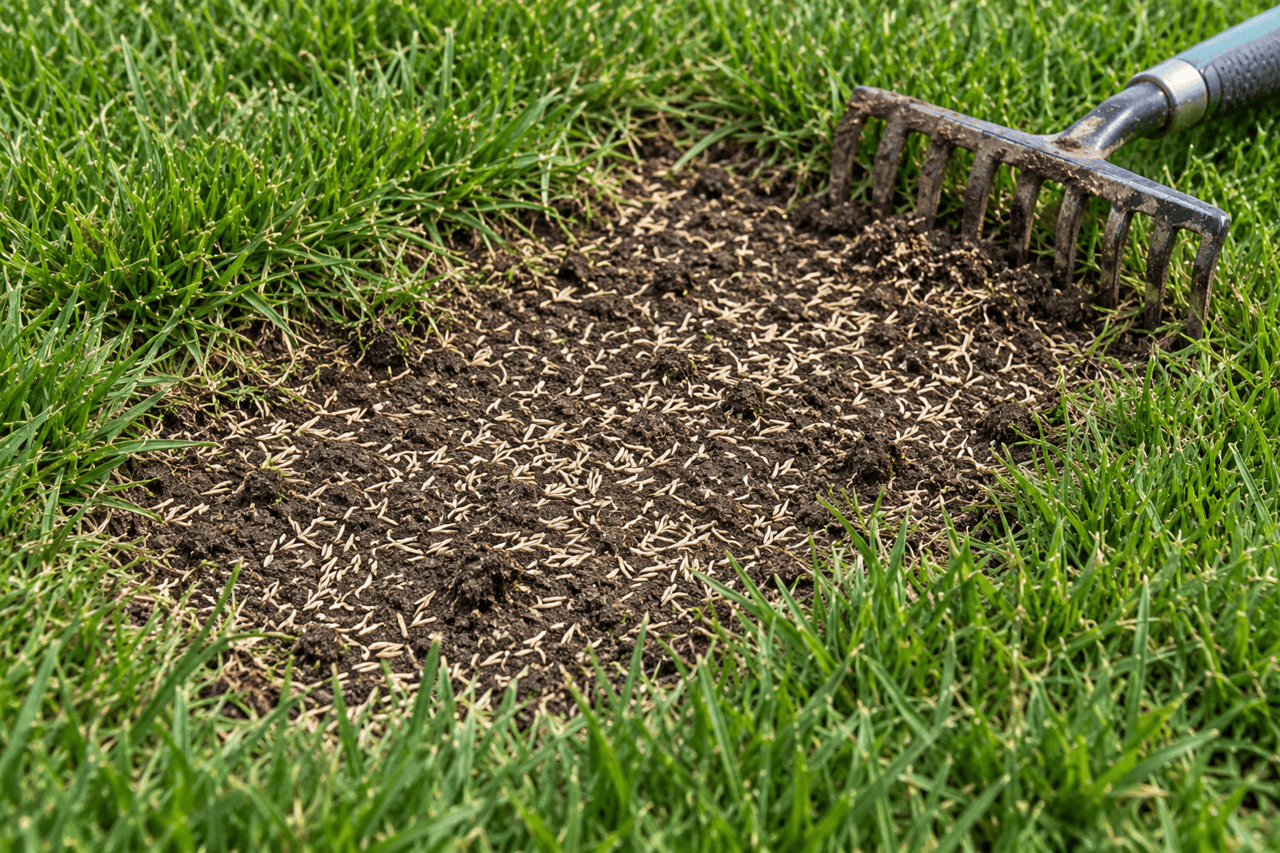
My Results Three Days After Treatment
When I checked the lawn about three days later, I could see weeds starting to yellow and brown. The established grass still looked good, including the Dark 30 plot where weeds had been showing up.
That was the result I wanted to see: visible damage to the weeds without obvious damage to the surrounding turf.
Three days was an early progress check, though. It wasn't proof that every weed was dead or that the lawn was ready for immediate overseeding. I still needed to let the treatment work and keep the planned seeding date aligned with the product instructions.
If weeds remain, identify what's still growing before deciding on another application. More spray isn't automatically the answer, especially when you're approaching your fall seeding window.
Get Ready for the Next Step
Once the required waiting period has passed, you can move into your overseeding preparation. Follow any mowing restrictions from the treatment, remove debris as needed, and prepare the areas where new seed needs contact with the soil.
Then keep the bigger goal in mind. Removing weeds opens up space; growing healthy grass helps you make use of it. Our guide to making your grass dense and thick covers the ongoing care that supports a fuller lawn.
For my project, weed control was the first step toward a better-looking fall lawn. Giving it attention before seeding meant I could focus on growing grass instead of watching weeds get the head start.
Watch the Tips for Turf video to see the treatment and three-day follow-up, then use our fall overseeding walkthrough to plan the rest of your project.
Products and tools from our walkthrough
- Speedzone Herbicide
- QuinClorac Herbicide
- HD 4000 Backpack Sprayer
- Respirator Mask
- Rubber Boots
- Paddle Mixer
- Dark:30 Grass Seed
(If you make a purchase using the links in this post, we may earn a commission.)
Get help with your next lawn project
For lawn care guides, seasonal advice, product recommendations, and feedback from Matt, Greg, and other lawn enthusiasts, join the Tips for Turf community. We can compare notes on your grass, your conditions, and the next practical step.
Frequently asked questions
How long before overseeding should we spray weeds?
We work backward from the exact label’s reseeding interval. My project started about two to three weeks before seeding, but that is not the required interval for every product.
Can we mix SpeedZone and quinclorac?
We only use a combination when the exact labels permit it for the grass, weeds, rates, and application site. The brand names alone do not settle compatibility.
Does selective mean safe for any lawn?
No. We verify turf tolerance and all conditions on the label. A product suitable for one grass species may injure another.
Are dying weeds after three days ready for seeding?
Visible browning does not replace the label’s waiting period. We wait the required interval and assess the treatment before beginning the overseed.