
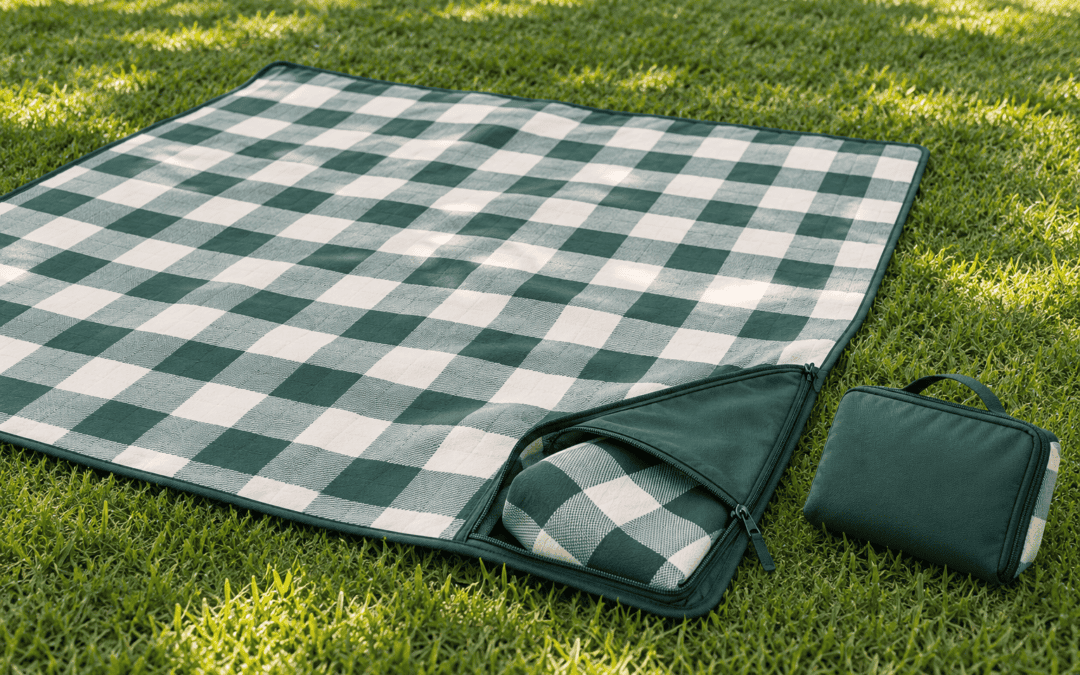
If you are trying to fold a picnic blanket with a zipper back into its carrying pouch, try closing part of the pouch first. On the style I use, zipping two sides creates a pocket that I can tuck the remaining blanket into. That saves me from having to fold the entire thing into a perfect square.
We use our zip-up outdoor blanket for picnics on the lawn and trips to the beach. It is convenient to carry and easy to spread out. Packing it away was the frustrating part, until I tried this simple change in the order of operations.
For a full walkthrough on how to zip up a foldable picnic blanket quickly, watch this!
Why folding a zip up blanket can be frustrating
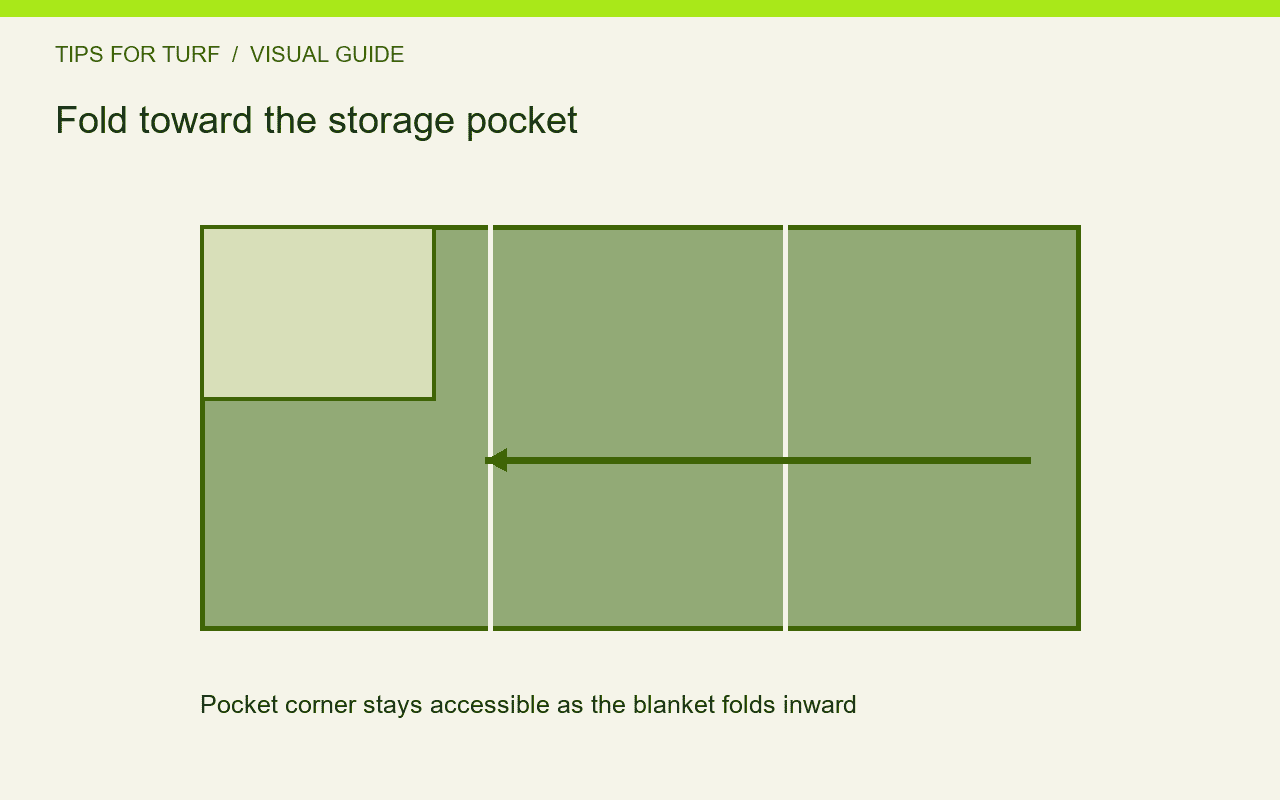
Our blanket has an attached corner section with zippers that forms the carrying pouch. Looking at it, I assumed I needed to fold the whole blanket into a neat square, place that square inside the corner, and then zip it closed.
I managed to do that in the video, but it took me roughly three to five minutes of folding and adjusting. The time-lapse made it look much quicker than it felt.
The problem was keeping the bundle together while lining it up with the zippered section. Each adjustment seemed to create another loose edge. If your blanket has a similar attached pouch, the method below is worth trying.
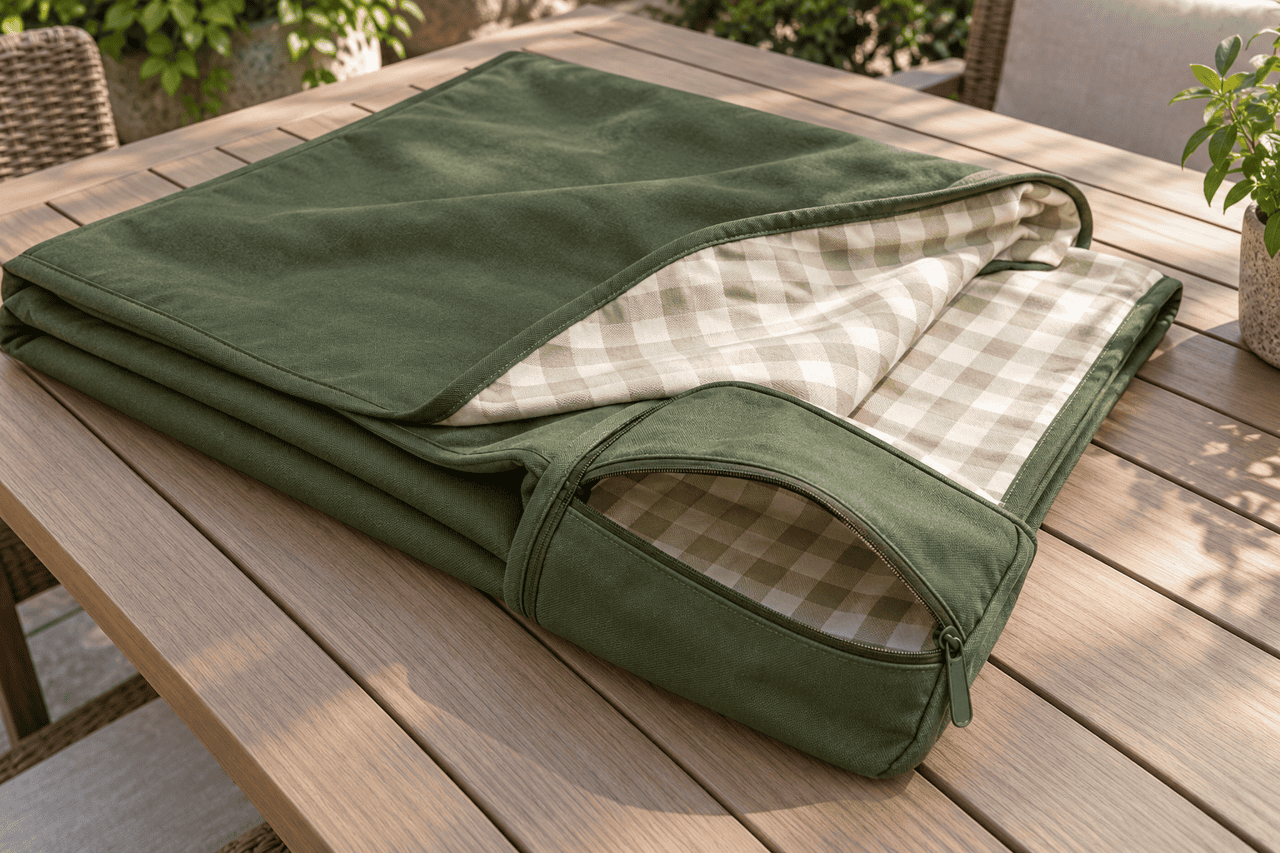
How to zip up an outdoor picnic blanket
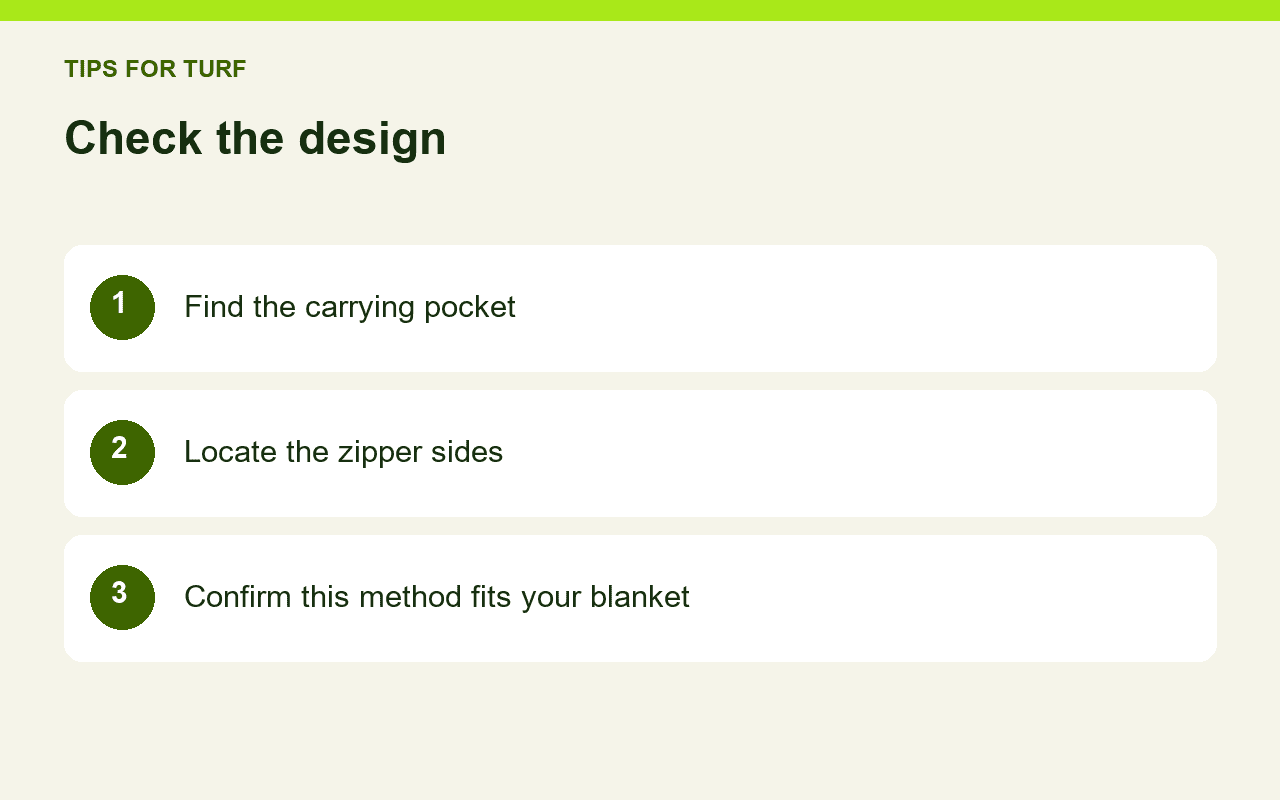
This works with the pouch design shown in my video, which lets me close two sides before putting the rest of the blanket inside. Check your own blanket's construction first. A roll-up blanket, a separate storage bag, or a different zipper layout may need another approach.
Step 1 Find the zippered corner
Spread the blanket out enough to locate the section that becomes the carrying pouch. Find the zipper ends and check which edges join together.
Before packing, shake off loose grass or sand and remove anything sitting on the blanket. Check the fabric care instructions if it needs cleaning, and let it dry before putting it away for storage.
Step 2 Zip the first side
Bring the matching zipper edges together and close the first side. Leave most of the blanket loose for now.
This starts forming the pouch without requiring you to hold a fully folded blanket in place at the same time.
Step 3 Tuck a little fabric in and zip the second side
Fold or tuck enough fabric inward to bring the second set of zipper edges together, then zip that side closed.
You should now have a partially formed carrying pocket with an opening for the loose blanket. Keep the fabric clear of the zipper teeth as you go.
Step 4 Stuff the remaining blanket into the pocket
Use the same basic approach you would use with a sleeping bag and a stuff sack. Gather the loose fabric and tuck it into the pocket a little at a time.
Move the bulk around so one corner is not overfilled. You are aiming to fit the blanket inside comfortably; you do not need crisp folds or matching edges.
This was the step that made the difference for me. Once the pouch had some shape, I could put the blanket into it instead of trying to build a perfectly sized bundle outside it.
Step 5 Finish closing the pouch
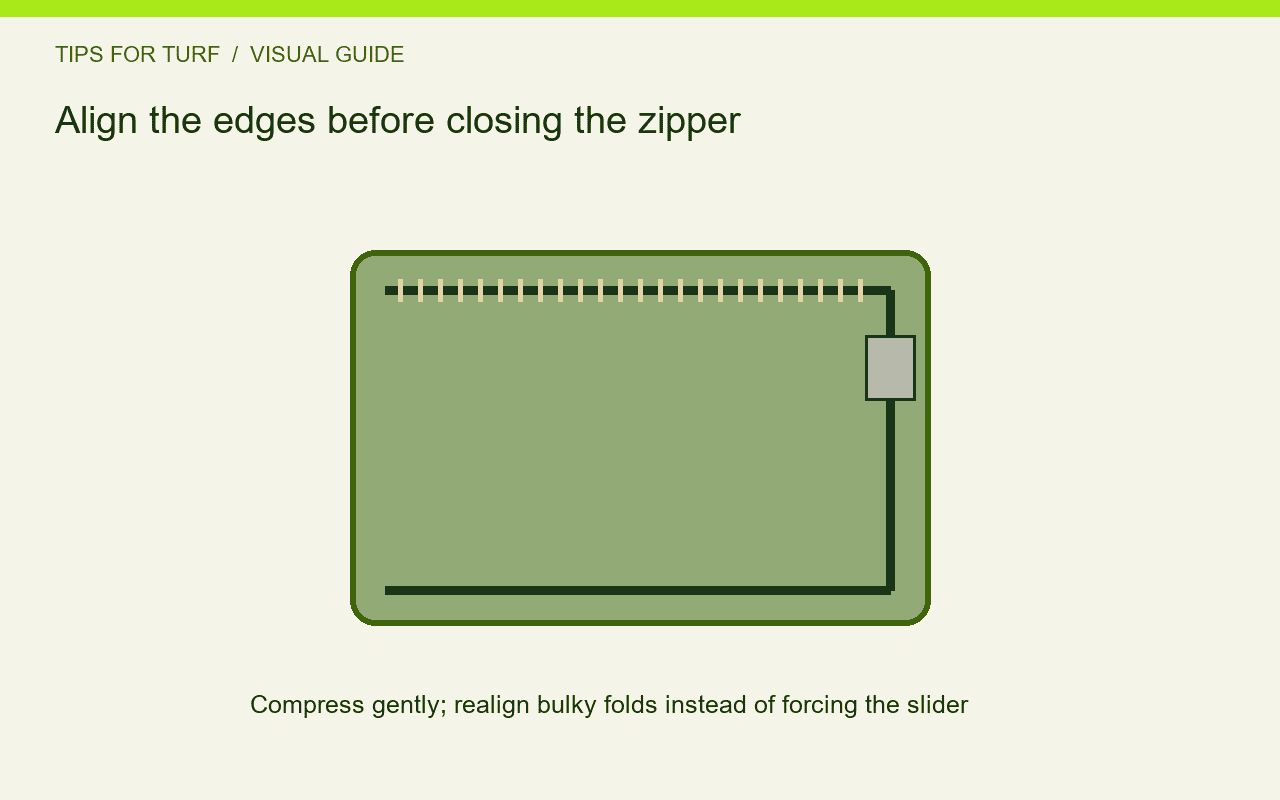
Tuck any loose edges inside and finish closing the zipper. If it resists, stop and redistribute the fabric rather than pulling harder.
Once it is closed, the blanket is ready to carry back to the house or car. That is the whole trick: form the pocket first, then put the remaining blanket inside.
What to try if the blanket will not zip closed
Check where the bulk is sitting. If all the material is packed into one end, shift some toward the other corners of the pouch.
Next, look for fabric caught beside the zipper. Back the slider up gently, clear the material, and try again. Leave a little space along the zipper path instead of stuffing fabric directly against it.
If the edges still do not line up, unfold the pouch and check its orientation. Your particular blanket may also have a required folding pattern. Follow its instructions if the pouch is designed differently from mine.
A quick tip for backyard picnics
We often use this blanket on our lawn, so I also pay attention to where we set it down. Choose a comfortable spot with firm ground rather than a soggy patch. In its spring lawn guidance, the University of Minnesota recommends waiting for soil to firm up and avoiding compaction of wet soil. That is a useful consideration when choosing a picnic spot, too.
If the yard keeps feeling wetter or drier than expected, my guide to telling whether you are overwatering or underwatering your lawn explains ways to check the soil. For thin areas where you would like a fuller lawn to enjoy, see our tips for making grass dense and thick.
Products and tools from our walkthrough
Check the design of the item you choose; the pocket method above applies to a compatible zip-up blanket.
(If you make a purchase using the links in this post, we may earn a commission.)
Get help with your next lawn project
For lawn care guides, seasonal advice, product recommendations, and feedback from Matt, Greg, and other lawn enthusiasts, join the Tips for Turf community. We can compare notes on your grass, your conditions, and the next practical step.
Frequently asked questions
Does this work for every picnic blanket?
No. My blanket had a zippered section that formed its carrying pocket. We check the actual design and manufacturer’s instructions first.
Do we have to fold it into a perfect square?
Not with the pocket-first method that worked for mine. I closed two sides, then tucked the remaining material into the pocket.
What if the zipper gets stuck?
We stop and clear trapped fabric or reduce the bulk near the zipper. Forcing the slider can damage the zip or material.
Can we store it while it is damp?
We follow the blanket’s care instructions and let it dry before packing it away for storage. We also remove it from the lawn after use.